 Shopping cart




New paleontological research led by the University of Cambridge has revealed that the anaconda (Eunectes) achieved its impressive size much earlier than previously thought. By analyzing fossilized vertebrae from Venezuela dating back to the Miocene epoch, researchers determined that these snakes reached their current giant proportions—averaging four to five meters—approximately 12.4 million years ago. Surprisingly, while other mega-reptiles like giant crocodiles and turtles went extinct as the planet cooled, the anaconda’s size remained remarkably stable.
The study challenges the long-held assumption that reptile size is strictly dictated by ambient temperature. Despite significant climate fluctuations over millions of years, anacondas did not downsize. Instead, their resilience is attributed to their specialized lifestyle as generalist predators in stable wetland habitats. While warmer periods allowed them to expand their geographic range, their physical dimensions stayed consistent, proving that these “super-resilient” snakes found an evolutionary “sweet spot” early on.
This discovery underscores the vital importance of habitat preservation. The fact that anacondas have survived for 12 million years primarily by relying on specific wetland ecosystems highlights how vulnerable they are to modern habitat loss. Understanding that their giant size is a stable evolutionary trait rather than a flexible response to temperature emphasizes our responsibility to protect the ancient, complex environments that allow these modern giants to thrive.
You can read the full scientific study in the Journal of Vertebrate Paleontology.
Read also:
Verified After Two Decades: the Fourth Anaconda Species
Brazilian Rainbow Boa Births 14 Baby Snakes via Parthenogenesis
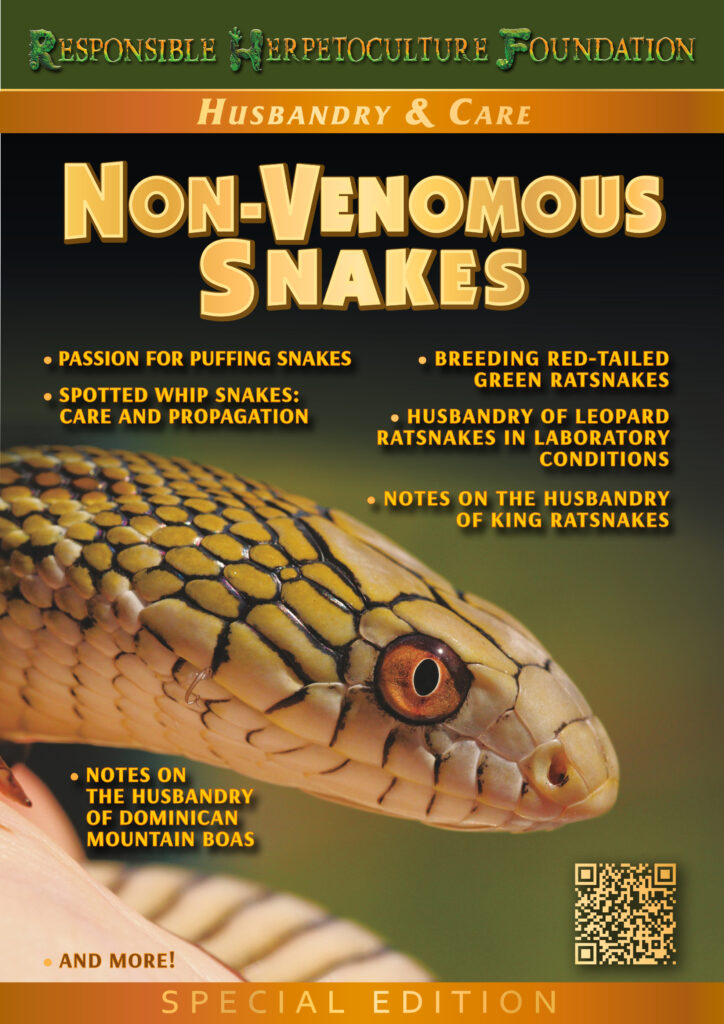
Meet the special RHF edition Non-Venomous Snakes. Husbandry & Care