 Shopping cart


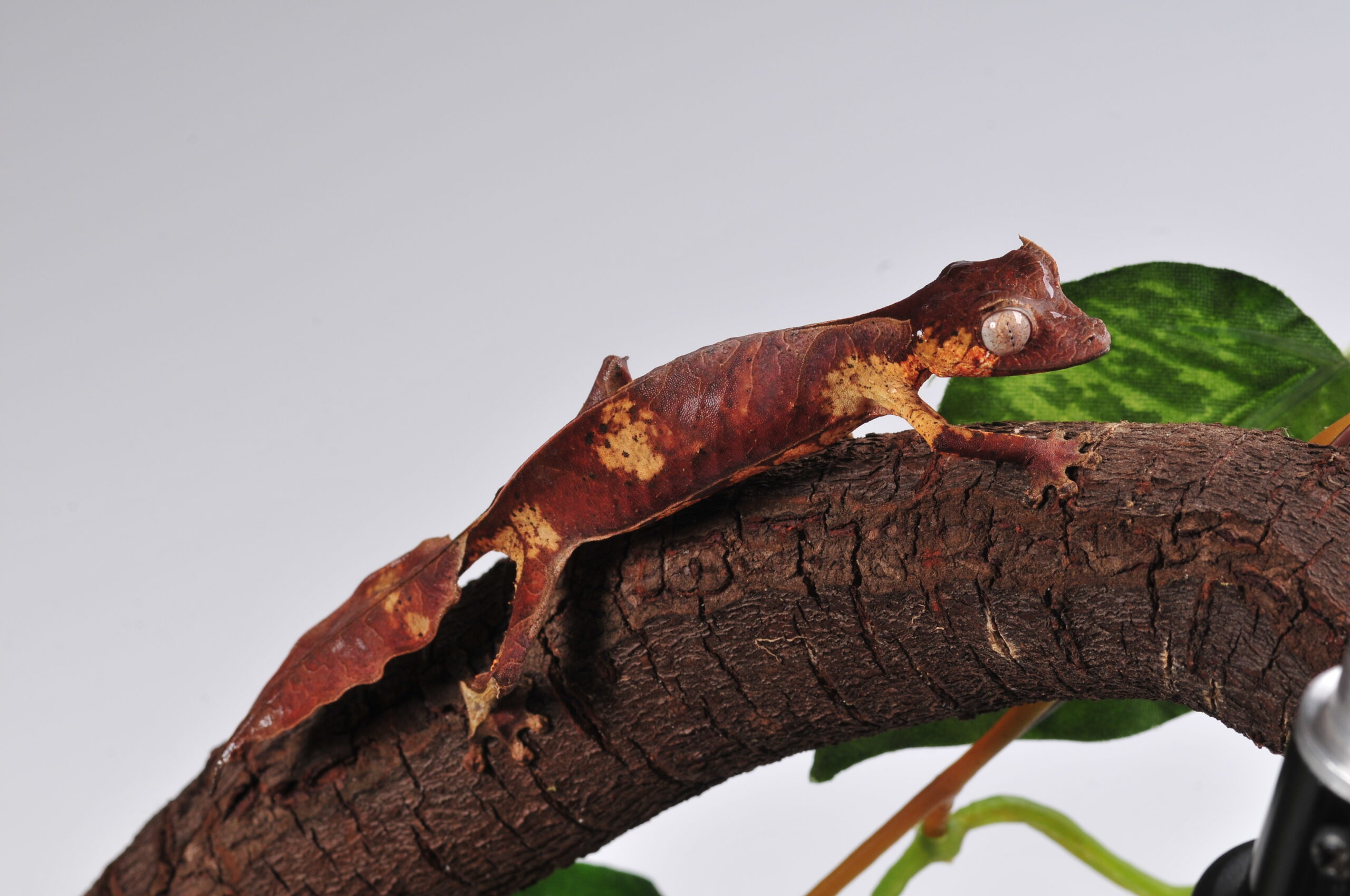
As a matter of fact signifficant and repid loss of natural habitat is the major factor causing mass decreasing and even total disappearing of populations of wild animals. Endemic species are the most vulnerable to such impact, since due to their stenobiotic environmental preferences they can’t migrate to huge distances or haven’t enough time to adopt to the new conditions. Agricultural transformation, urbanization, global climate change, variable pollution, invasive species of predators, competitors, bacteria and viruses along with smuggling make surviving of many species questionable and Uroplatus species are, unfortunately, a good example of this.
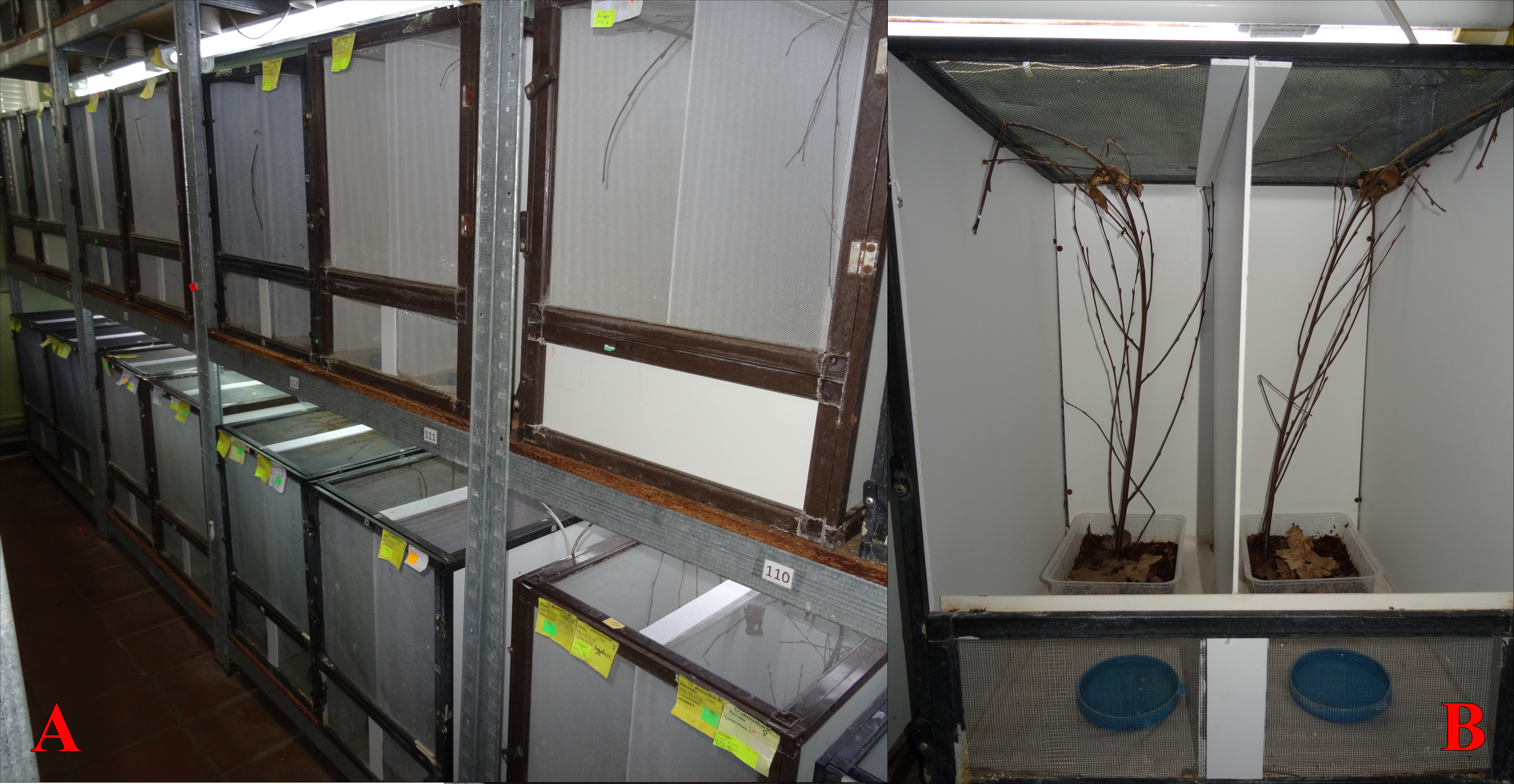
This project takes place on the basis of BION terrarium Center’s laboratories (Kyiv, Ukraine) under the leadership of Oleksii Marushchak (Head or Research and Development Department) (https://www.facebook.com/profile.php?id=100027907479994) (and Anastasiia Marushchak (breeder, Head of Arboreal Geckos’ Department) (https://www.facebook.com/profile.php?id=100010105508407).
Aims and scope.
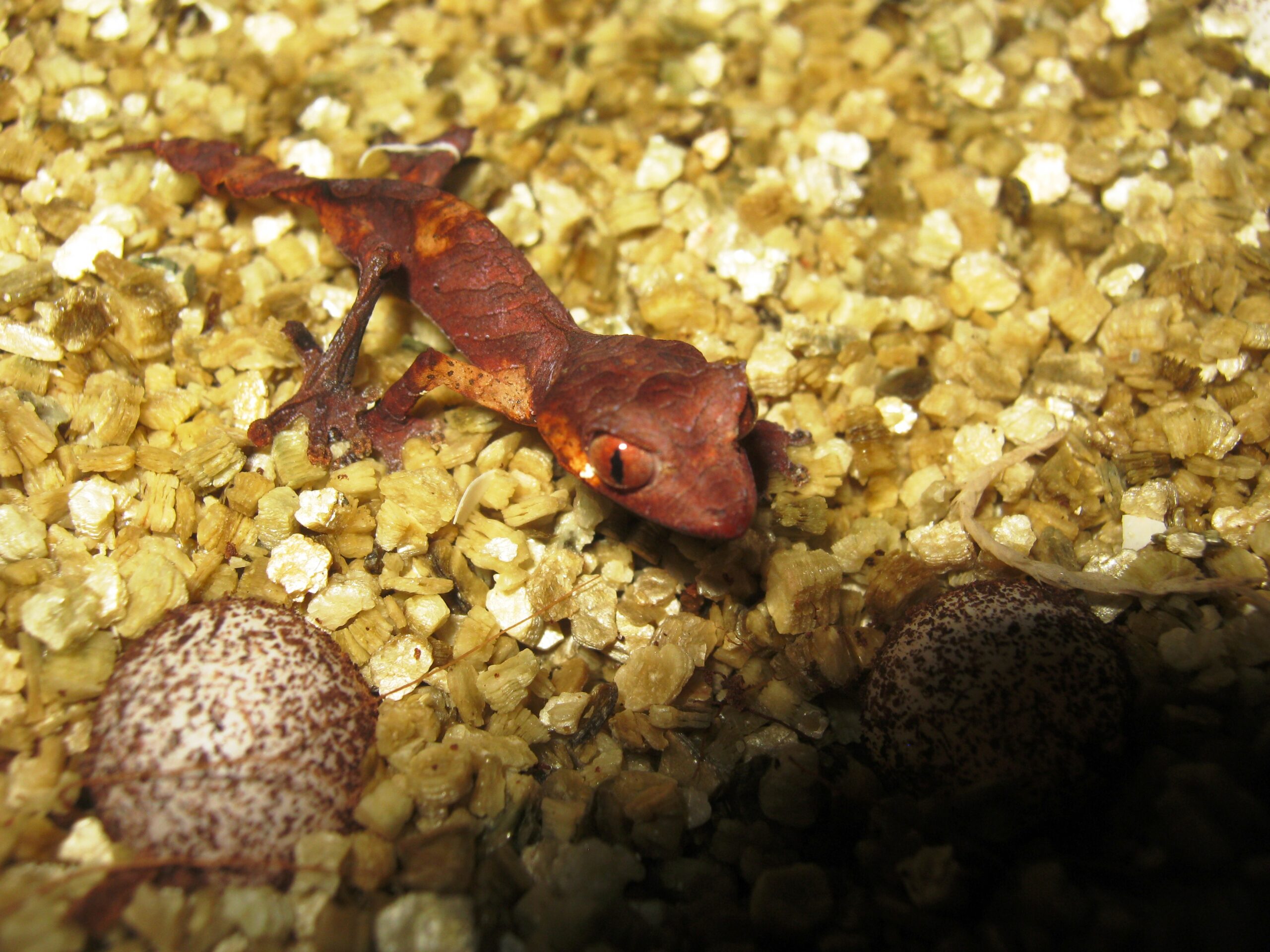
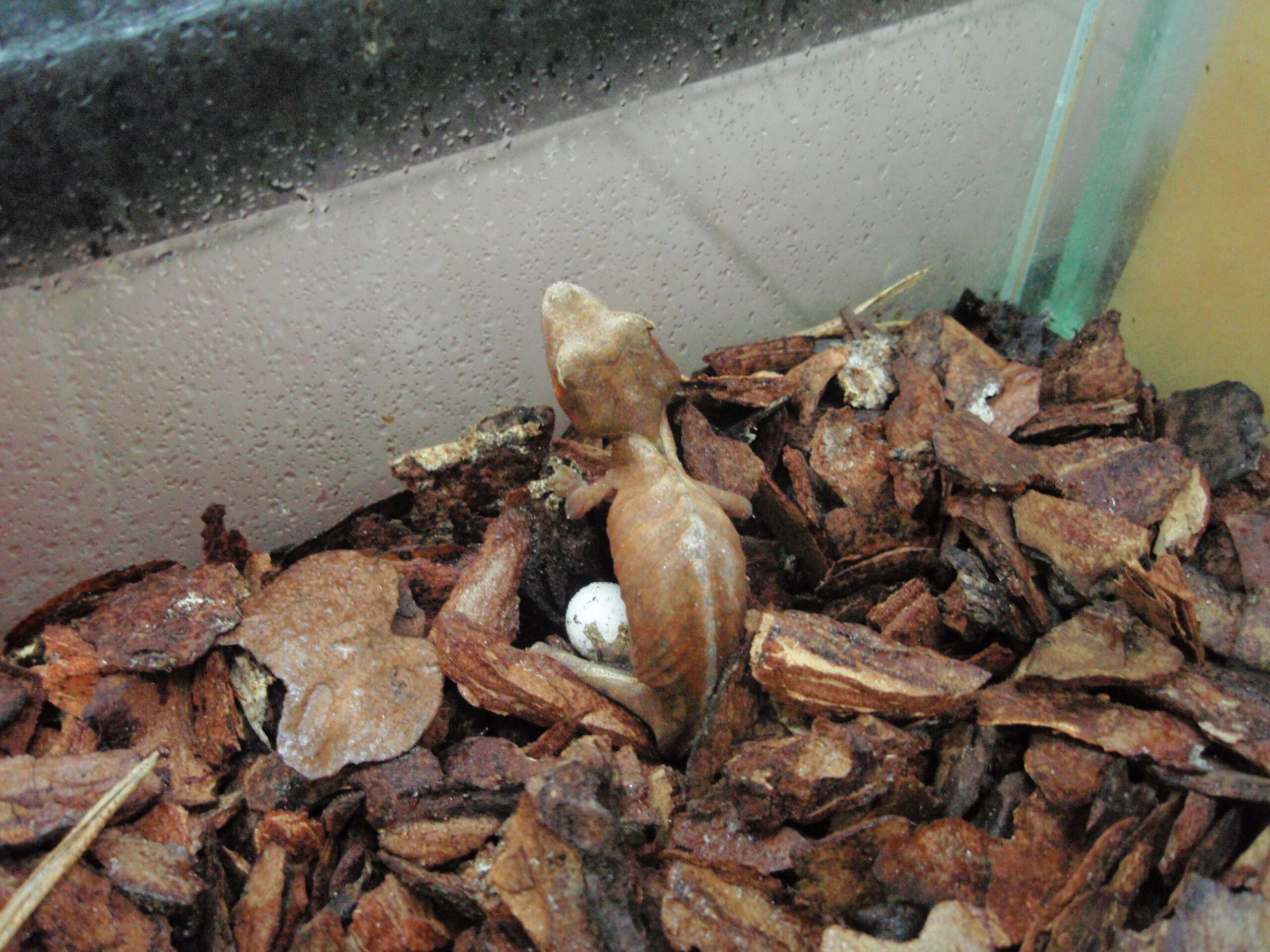
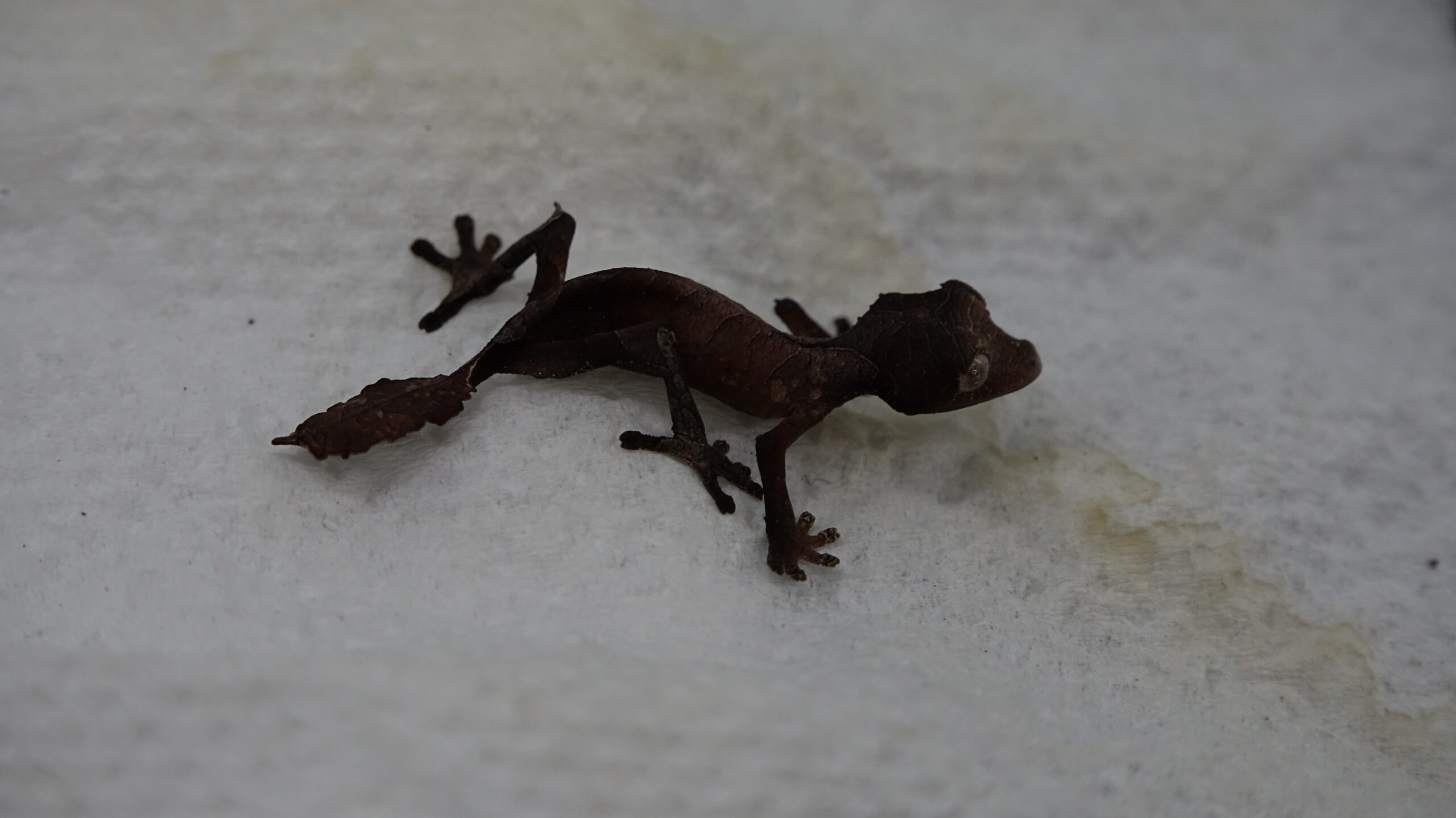
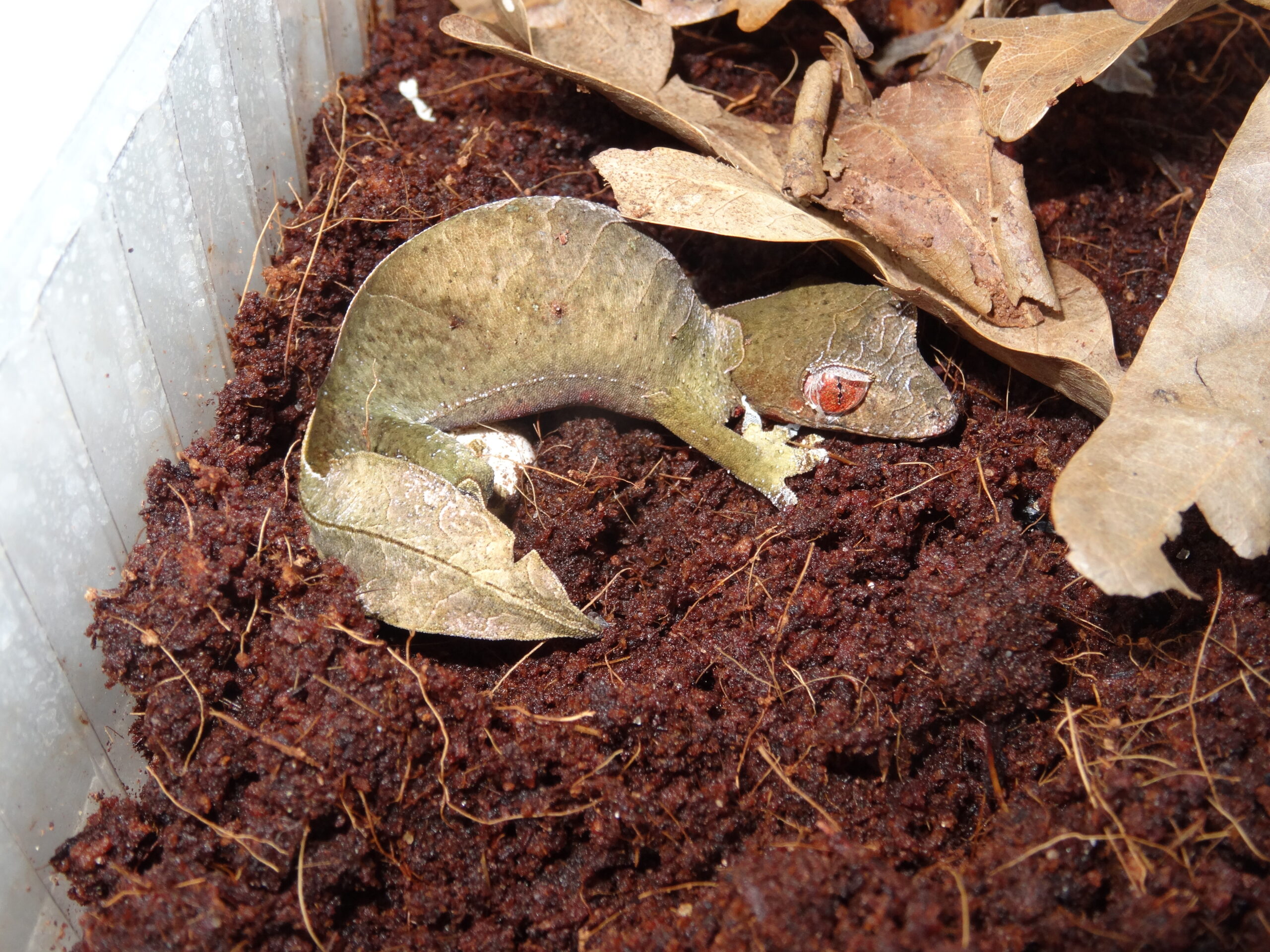
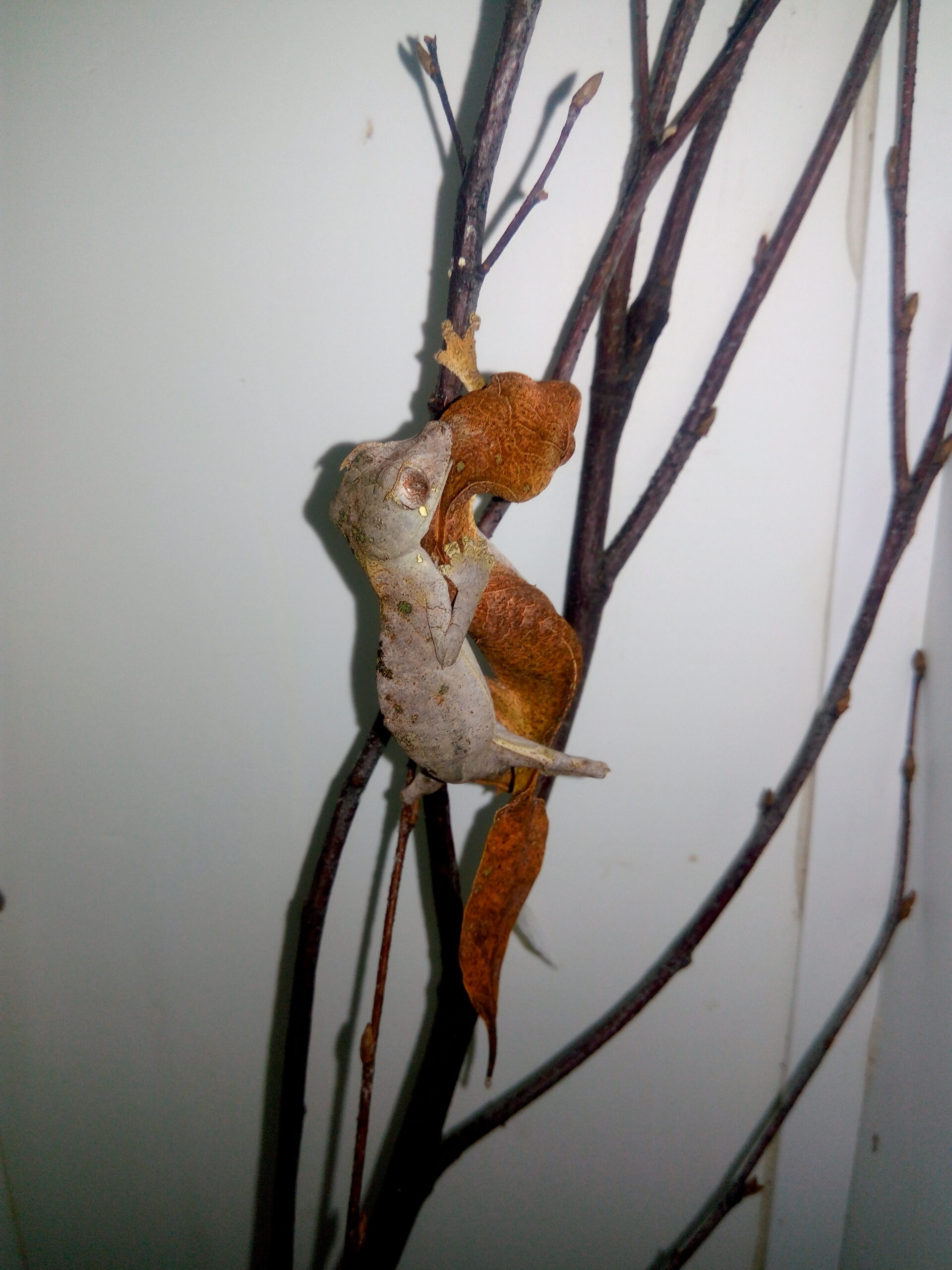
The main aim of the project is creating of stable breeding self-renewable, maximally heterogenic population of Uroplatus phantasticus at the base of BION Terrarium Center and created using only legally imported animals with all “yellow paperwork” and according to annual CITES quotas.
Creating of such population will help to get deeper understanding of biology of this species, their needs and ways of creating suitable conditions for their long and productive living.
As a result of growing popularity of Uroplatus phantasticus as a terrarium reptile among hobbyists worldwide there is a risk of increased uncontrolled smuggling of this species from the wild. Therefore by making healthy captive bred geckos available on the market we make smuggling of wild animals senseless, as captive bre individual are better adapted, helminths-free, live longer and are generally more preferable item for their potential owner. Moreover this financially helps to continue the project. As a result at least smuggling preassure is reduced on wild population allowing them to slowly increase their numbers.
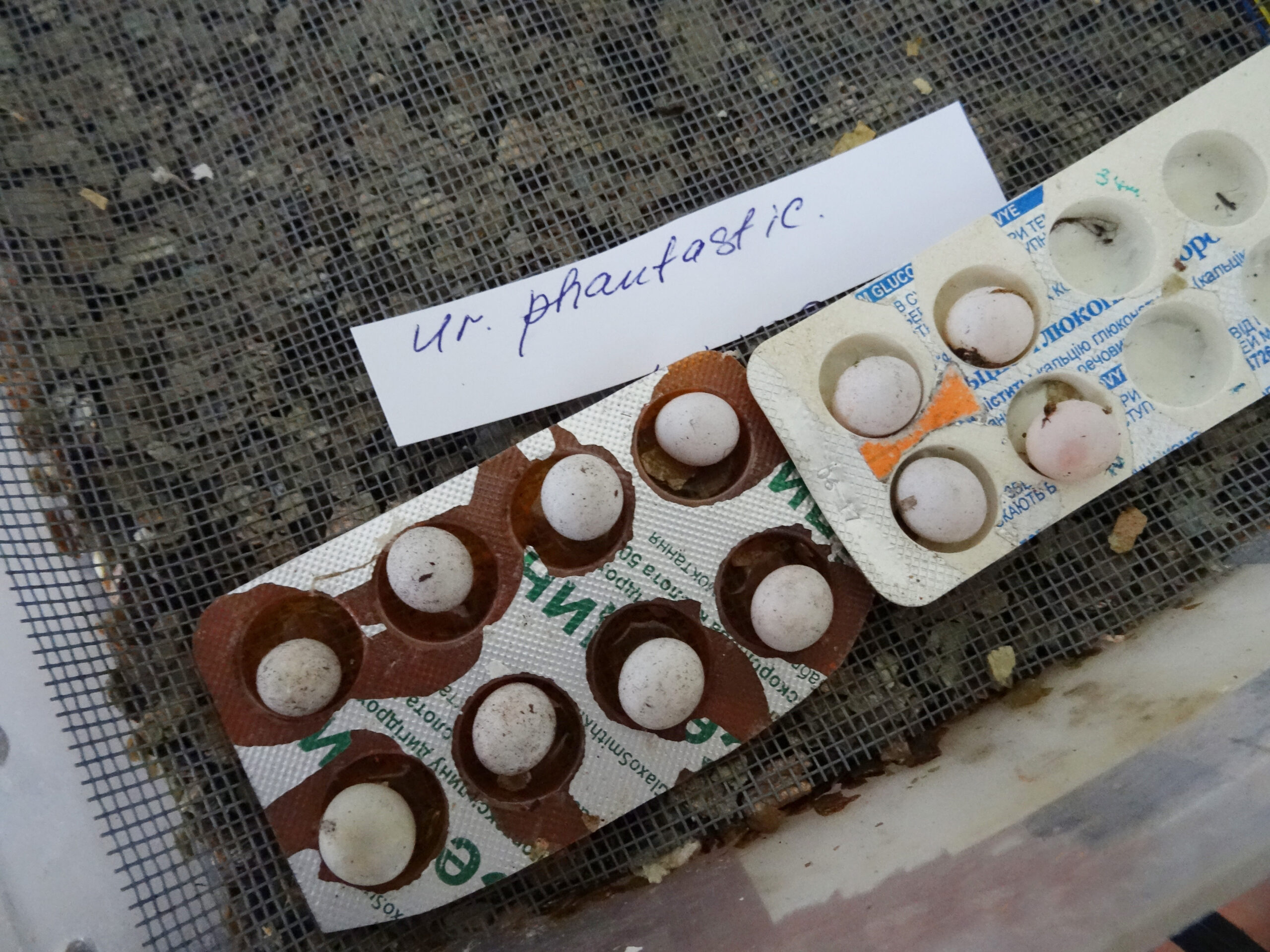
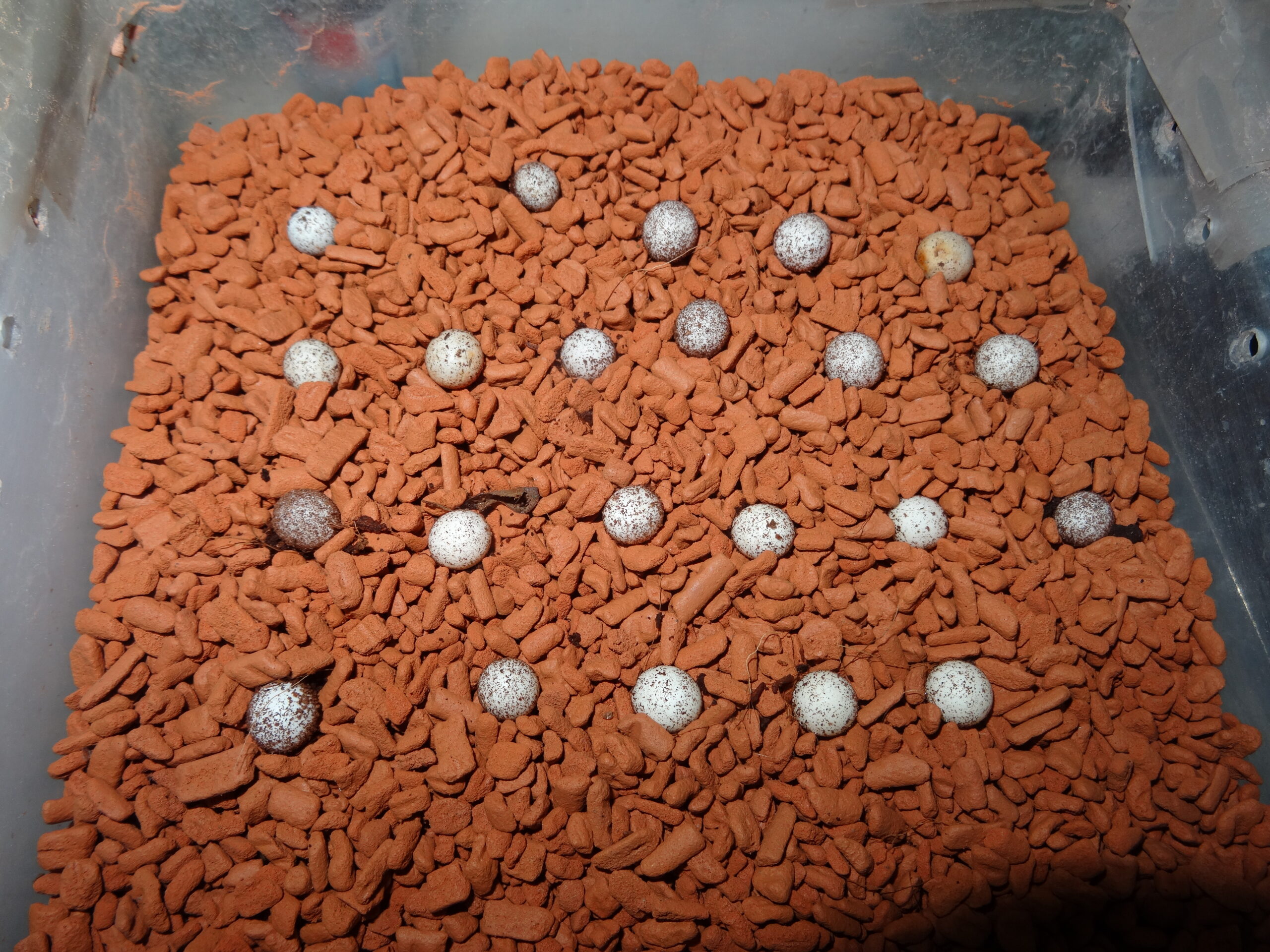
As a part of this project we developed a working technique to meet all the conditional needs of the species including optimization of feeding, space, decoration and watering approaches, organizing of proper winter dormancy, pairing, eggs’ incubation raising of babies etc. We are always ready to share our experience in a form of posts, videos, online manuals, scientific papers with other interested parties in order to help other breeders be included in ex situ conservation of this species.
Uroplatus phantasticus ex situ conservation project makes it possible to save the species in form of an ex situ population in both conditions of BION’s laboratories and private terrariums of Uroplatus owners worldwide. Thank to presence of such opportunity it is possible to use this breeding stock for further rewilding projects through reintroduction of captive bred individuals to restored forests of Madagascar (if any) or introduce such individuals in order to support weak and disappearing populations in the wild.
We are thankful to our partners and friends Philip-Sebastian Gehring (https://www.facebook.com/philipsebastian.gehring) and Philippe de Vosjoli (https://www.facebook.com/philippe.devosjoli) for mutual cooperation and sharing their views and thought that helped us to improve our approaches.
Photo