 Shopping cart



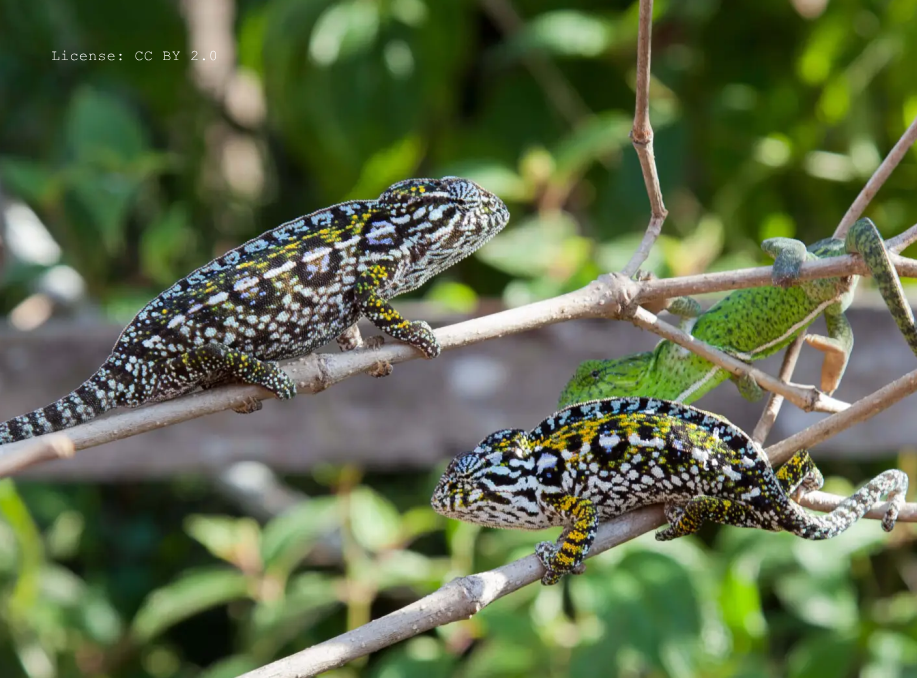
The Jewelled Chameleon (Furcifer campani), a strikingly patterned species endemic to the central highlands of Madagascar, lives in a challenging environment characterized by extreme temperature fluctuations. While much is known about chameleon biology in general, their nocturnal “roosting” behavior—essential for survival against predators and cold mountain nights—has remained largely unquantified until now. A recent study has finally shed light on how these colorful lizards select their sleeping quarters to survive the high-altitude climate.
Researchers found that Furcifer campani exhibits very specific preferences for roosting sites, typically choosing perches in low shrubs and grasses. Unlike some larger chameleons that retreat to high canopies, these highland specialists often sleep at heights between 50 and 150 centimeters above the ground. This height selection is a delicate balance; it keeps them out of reach of some ground-dwelling predators while staying low enough to benefit from the thermal buffering provided by dense, low-lying vegetation.
This data is crucial for “responsible herpetoculture” and conservation planning. As the Madagascar highlands face increasing pressure from habitat fragmentation and frequent bushfires, understanding which plants the chameleons rely on for sleep allows for more targeted habitat restoration. For keepers and researchers, these findings emphasize the importance of providing specific vertical structures and thermal micro-climates that mimic their natural montane environment to ensure the physiological well-being of the species.
To dive deeper into the methodology and the specific vegetation types used by these chameleons, you can read the full scientific publication here (or the corresponding study link from the Salamandra journal).
Read also:
The Real Reason Why Chameleons Sleep During the Day
The World’s Largest Chameleon Has Been Successfully Bred at Chester Zoo, the First UK Zoo to Do So
The Accidental Gardeners: How Snakes Facilitate Forest Regeneration