 Shopping cart


Drawing on his experience as Curator of Herpetology at Cuba’s National Museum of Natural History, the author has spent 22 years leading specialized birding and herping tours across the archipelago. This article compiles essential insights gained from this extensive field experience and professional perspective. It serves as a practical guide to the island’s herpetological expeditions, with all English common names following the standardized list by Hedges et al. (2019).
The Geographic Canvas
Cuba is the largest island in the Caribbean, spanning 1,250 km (777 mi) in length. It is an archipelago comprising approximately 4,000 islets and cays. The total area is 109,884 km2, with the main island covering 104,338 km2.
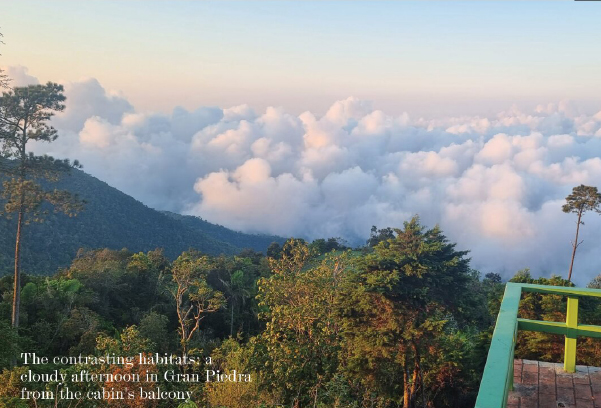
The topography is defined by mountain ranges in the western, central, and eastern regions, separated by broad plains. The highest point is Pico Turquino in the Sierra Maestra (1,974 m / 6,476 ft). Cuba’s unique ecosystems make it one of the world’s most critical biodiversity hotspots, with 215 protected areas representing 17% of the national territory (CNAP & CITMA, 2023).
