 Shopping cart



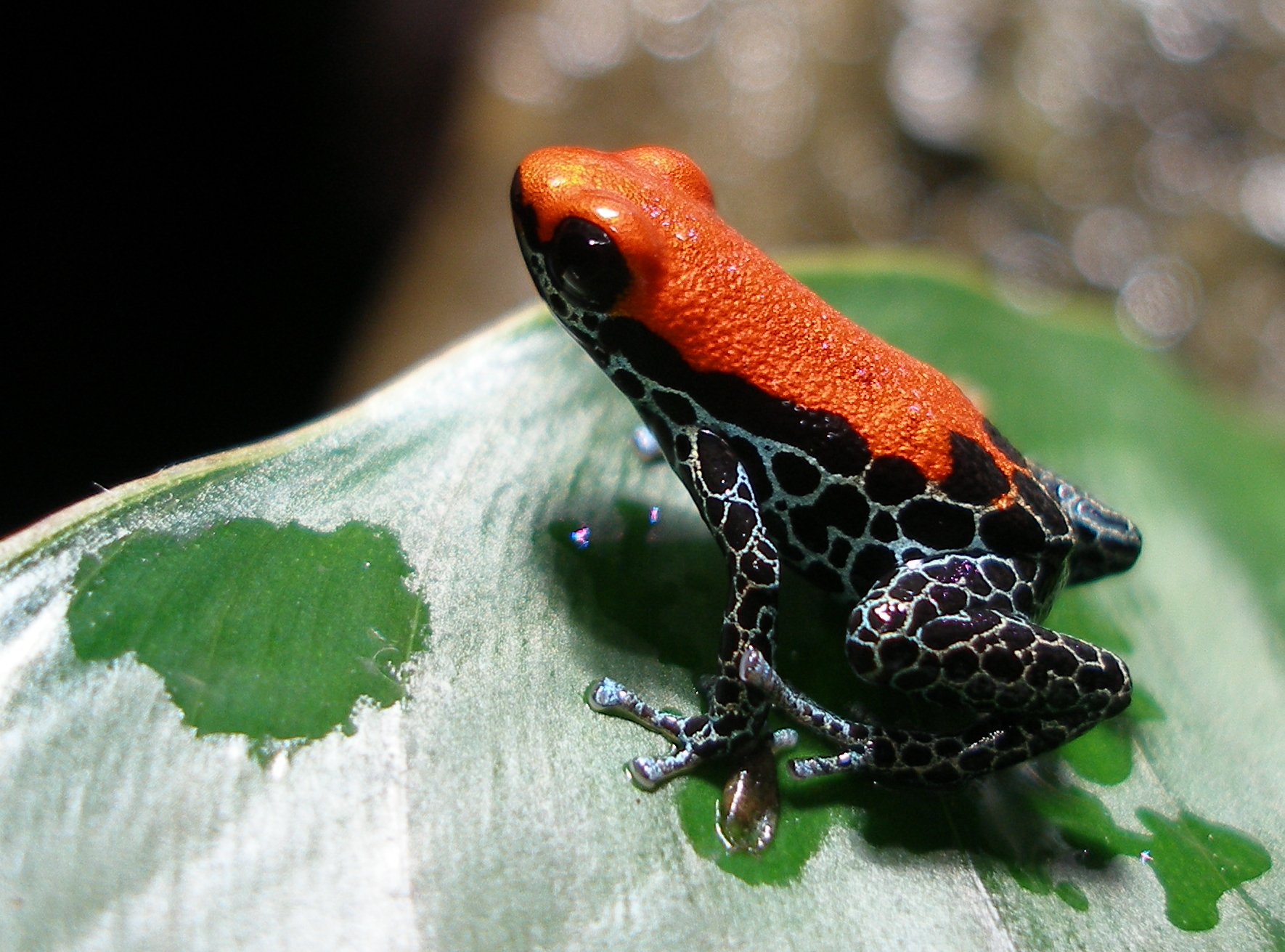
Abstract. Wildlife trade and the collection of wild animals for pets are contributing to the global loss of biodiversity (Bush et al. 2014; Scheffers et al. 2019; Morton et al. 2021). Most studies on the impacts of the pet trade focus on birds, reptiles, and fish, but there is also a sizeable market for amphibians (Carpenter et al. 2014). Amphibian trade has been linked to overexploitation of wild populations, invasive species introductions, and the spread of infectious diseases (Rowley et al. 2016; Wombwell et al. 2016; Lockwood et al. 2019), but there could also be conservation benefits. For example, consumer demand for threatened species can generate funds for their conservation through biocommerce programs (Yeager et al. 2020) and harvesting wild amphibians for the pet trade could contribute to sustainable local livelihood strategies in biodiverse developing countries (Robinson et al. 2018). Considering amphibians are one of the most threatened vertebrate groups, with nearly 20% of all species on the brink of extinction (Ceballos et al. 2020), understanding trade dynamics of widely kept species is necessary for identifying threats and
informing policy, especially when weighing the costs and benefits of the pet trade to both people and the environment.
Reptile Trade