 Shopping cart



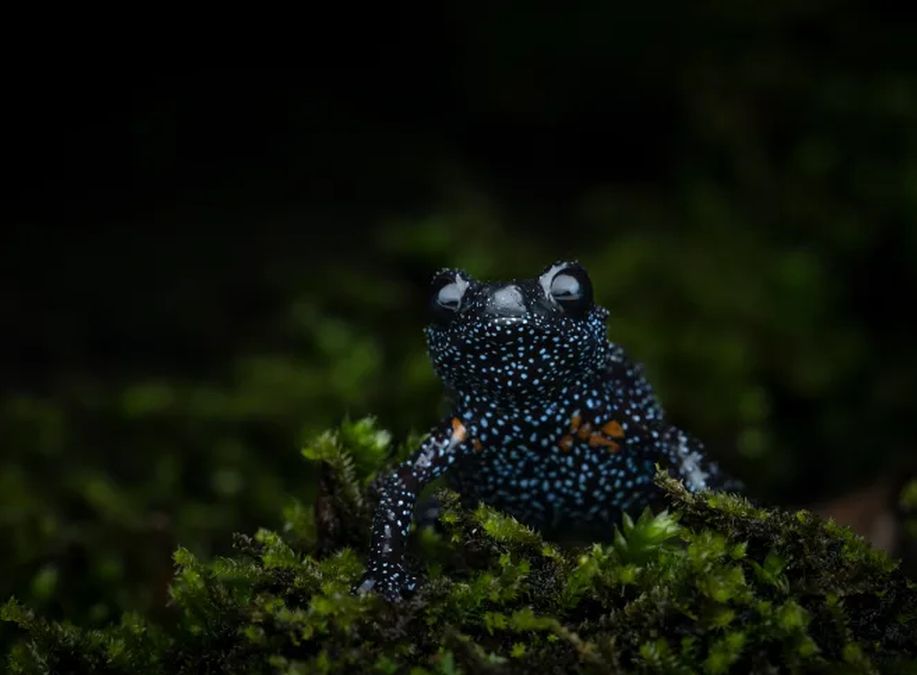
The Galaxy Frog (Melanobatrachus indicus) is a living relic of the Western Ghats. This ancient, monotypic species—meaning it has no close living relatives—represents an evolutionary lineage that has survived for millions of years. However, its newfound fame in the world of wildlife photography has turned into a survival threat.
In the digital age, “photography tourism” has led to a surge of enthusiasts flocking to the sensitive micro-habitats of the Western Ghats. While many are well-intentioned, the collective impact of unethical wildlife photography is devastating. Reports have surfaced of photographers physically manipulating the frogs to get better angles, using excessive artificial lighting, and even disturbing the vital leaf litter where these amphibians hide and breed.
Why “Gram-worthy” Shots are Harmful
The dangers of irresponsible field behavior are multifaceted:
- Habitat Trampling: The specialized micro-habitats these frogs require are incredibly fragile. Heavy foot traffic compresses soil and destroys the damp crevices they rely on.
- Stress and Pathogens: Handling frogs with bare hands can transmit deadly fungal diseases (like Chytrid) and strip away their protective skin secretions.
- Geotagging Risks: Sharing the exact GPS coordinates of sightings can lead to a “gold rush” of visitors, overwhelming the local environment before conservationists can intervene.
The scientific importance of this species cannot be overstated. As detailed in the Evolutionary biogeography of the ancient Galaxy Frog, this frog is a unique window into our planet’s biological history. Losing it to human vanity would be an ecological tragedy.
In terms of responsible herpetoculture and field ethics, we must prioritize the animal’s well-being over the digital reward. True appreciation for the Galaxy Frog means observing from a distance, never disclosing precise locations, and leaving the habitat exactly as it was found. No photograph is worth the extinction of a species.
Read also:
Scientists Discover New Species of Burrowing Snake in Western Ghats
The Alpine Salamander: 2026’s Amphibian of the Year
A Ghost from the Past: New Poison Dart Frog Species Identified After 60 Years in Museum Archives