 Shopping cart



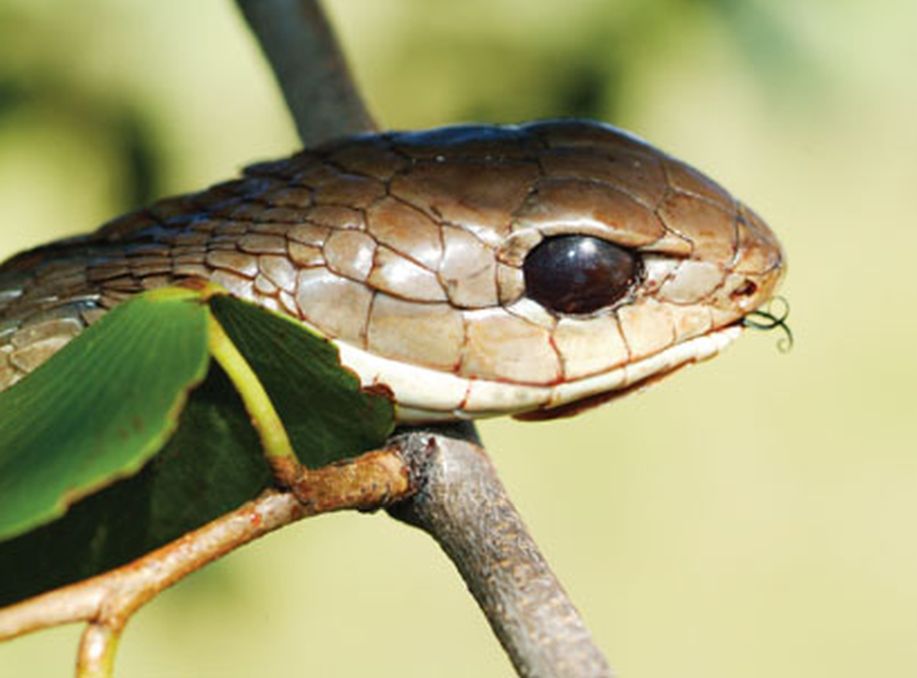
Nature often hides solutions to human ailments in the most unexpected places. According to a fascinating study highlighted by ScienceDaily, the key to ending the excruciating pain of gout and the recurrence of kidney stones might lie in the waste-management systems of snakes.
Humans suffer from gout when uric acid—a waste product in the blood—crystallizes in the joints, causing intense inflammation. In the kidneys, these same crystals form painful stones. However, snakes, which produce significant amounts of uric acid as part of their metabolic process, have evolved highly efficient molecular “chaperones.” These specialized proteins prevent uric acid from crystallizing, allowing the snake to transport and excrete it safely even at concentrations that would be toxic to a human.
Researchers are now looking at how to replicate these reptilian mechanisms to create new treatments for humans. By studying the specific transport proteins and enzymes used by snakes, scientists hope to develop “biomimetic” drugs that can prevent crystal formation in the human body, potentially offering relief to millions of chronic sufferers.
In terms of responsible herpetoculture, this discovery serves as a powerful reminder of the intrinsic and utilitarian value of reptiles. Beyond their role in the ecosystem, snakes are “biological treasure chests” of physiological adaptations. When we advocate for the protection of diverse snake species, we are also protecting potential medical breakthroughs that could save human lives. Responsible stewardship of these animals ensures that we don’t lose these ancient secrets before we have even had the chance to learn them.
This research highlights that snakes are far more than just predators or pets; they are sophisticated biological models that continue to teach us about resilience and health.
Read also:
A Ghost from the Past: New Poison Dart Frog Species Identified After 60 Years in Museum Archives