 Shopping cart



The phenomenon the researchers were studying is called “social buffering,” and it has been widely documented across the bird and mammal families — as well as being a nearly universal human experience.
A new discovery suggests reptiles may be far more social than we thought.
But until this study, scientists had never found evidence of the behavior in any reptile species — even amid a broader reevaluation of the class’s social lives.
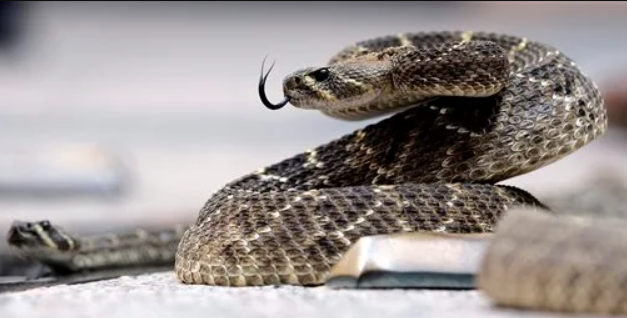
Place a rattlesnake in a bucket and shake it, and the result will be predictable: The stressed-out reptile will begin rattling its tail to warn off the enemies outside.
But place two rattlesnakes in a bucket and something entirely different happens, according to findings published Thursday in the journal Frontiers in Ethology.
Read more info about this topic using the following link
Read also Exceptional Long-term Sperm Storage by a Female Vertebrate