 Shopping cart



CONSERVATION /ex situ/

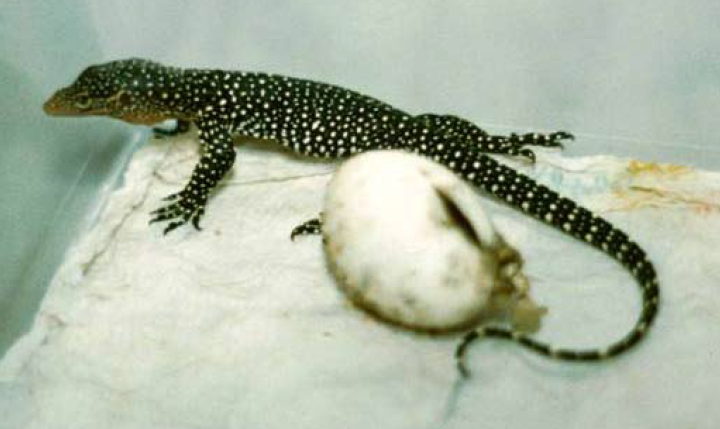
Abstract. We report the first breeding of the quince monitor lizard Varanus melinus in a European Zoo, which at the same time represents to our knowledge the fi...
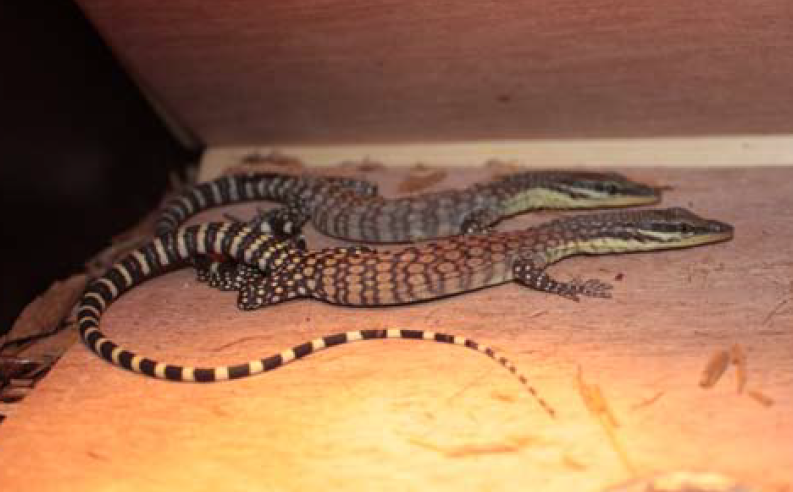
Abstract. This article describes the successful breeding of Varanus glauerti in captivity. In 2010 abreeding pair laid four consecutive clutches totaling 24 egg...
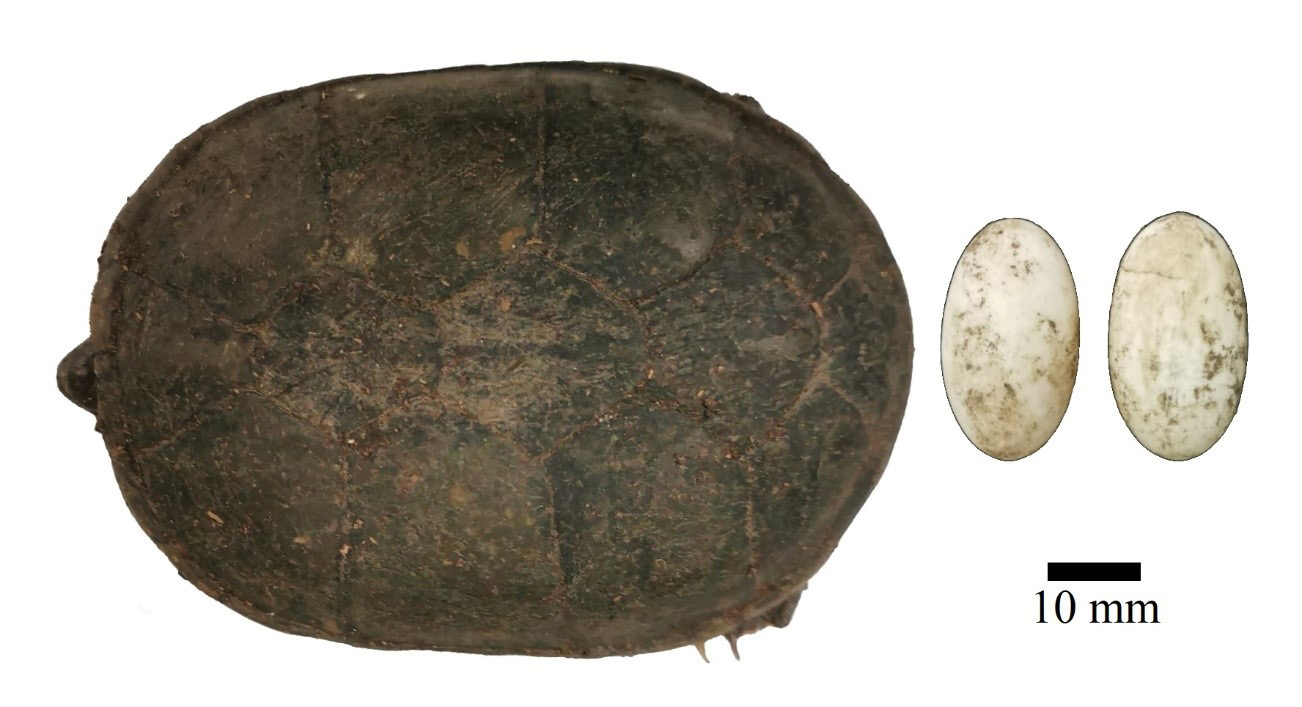
Abstract. Kinosternon vogti is one of the most narrowly distributed kinosternid turtles in Mexico; it is apparently restricted to small streams and ponds in th...

Abstract. This paper represents the results of a project on mass breeding of satanic leaf-tailed geckos (Uroplatus phantasticus Boulenger, 1888) in controlled ...

Abstract. An adult pair of Varanus panoptes horni (male acquired as a hatchling in August 2006 and female acquired in 2007 as a 3 year old adult) has been maint...
Abstract. Today, we know that new species are frequently available through the international pettrade before they are recognized as new to science and prior to ...
Abstract. Following a brief general overview of the Varanus timorensis complex, the husbandryconditions, behavior, diet, breeding and the raising of juveniles o...

Abstract. Problems experienced with the incubation and hatching of a clutch of Varanus beccariieggs are described. One egg ruptured during incubation, and two e...
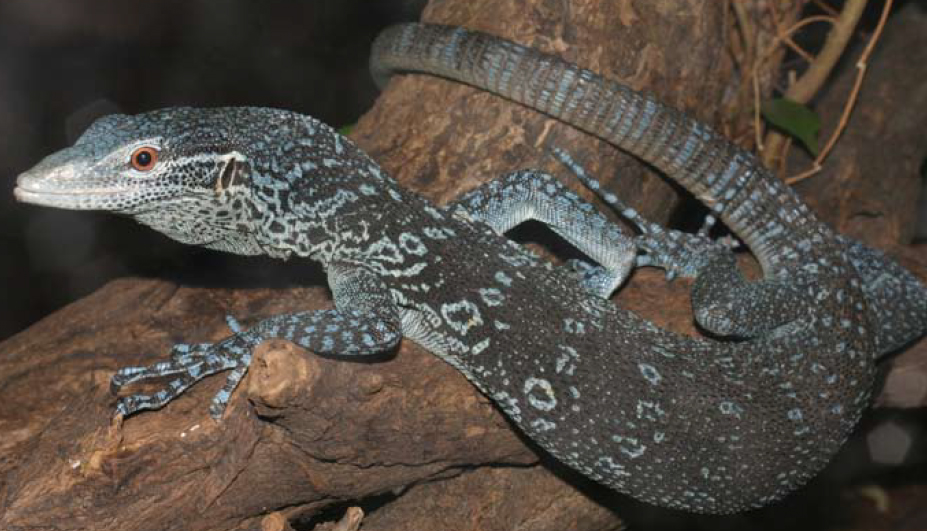
Abstract. ComprehenThe blue tree monitor, Varanus macraei, was described in 2001 from Batanta Island off Irian Jaya, Indonesian New Guinea. Only scarce informat...
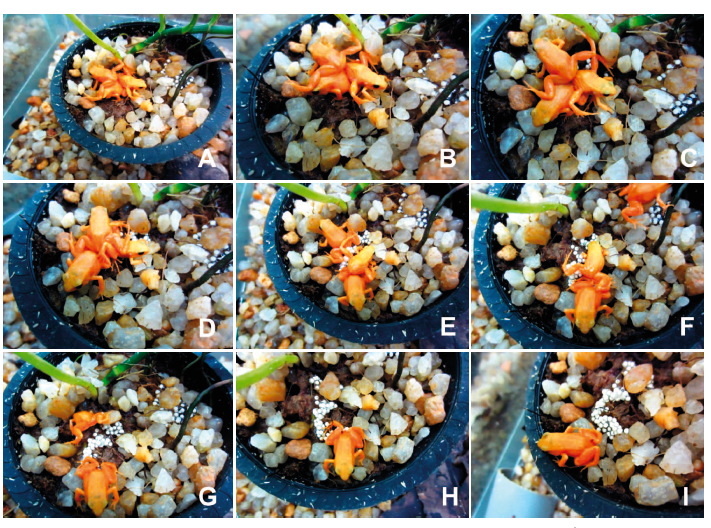
Abstract. We provide an account of maintaining a captive population of the Critically Endangered mantellid frog Mantella aurantiaca at a breeding facility near ...

Abstract. Germany ranks amongst the major importers of live reptiles for the pet industry, both within the EU and on a global scale. Considering the significan...
Abstract. The golden mantella is one of the world’s most charismatic frogs but is Critically Endangered and confined to a small area of remnant forest patches ...
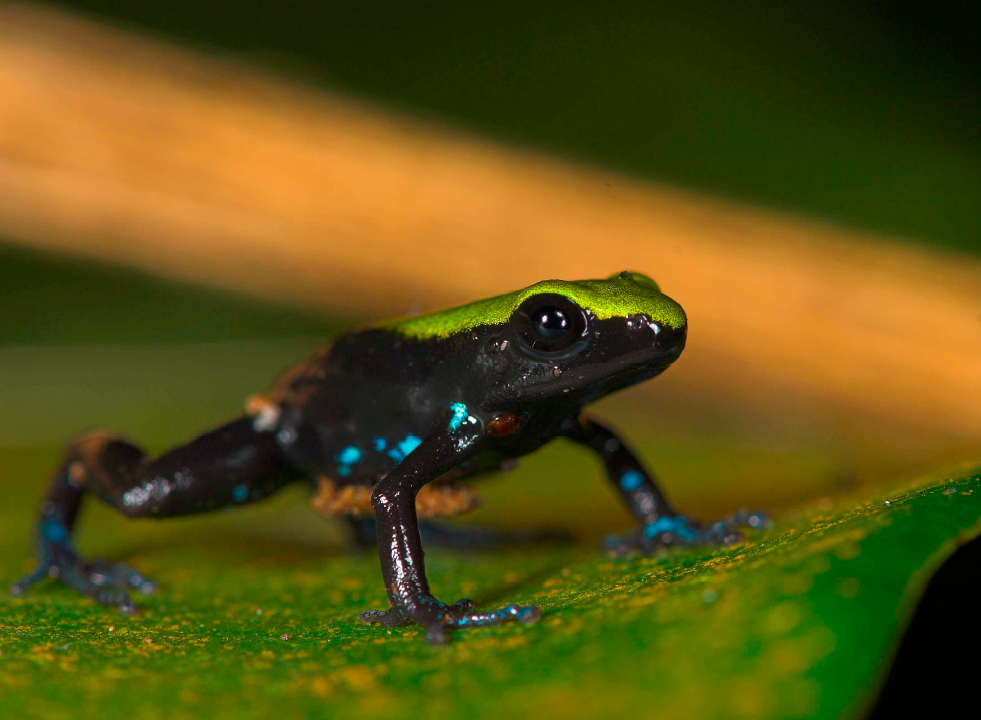
Compiled by Dr. Samuel Furrer and Ragna FranzZoo Zürich, Zürichbergstrasse 221, 8044 Zürichsamuel.furrer@zoo.ch EAZA Amphibian TAG Husbandry Guideline for M...

Abstract. The Ethiopian Mountain Adder, Bitis parviocula Böhme, 1976, is an endangered Ethiopian endemic, confirmed to occur in the montane forest of the south...
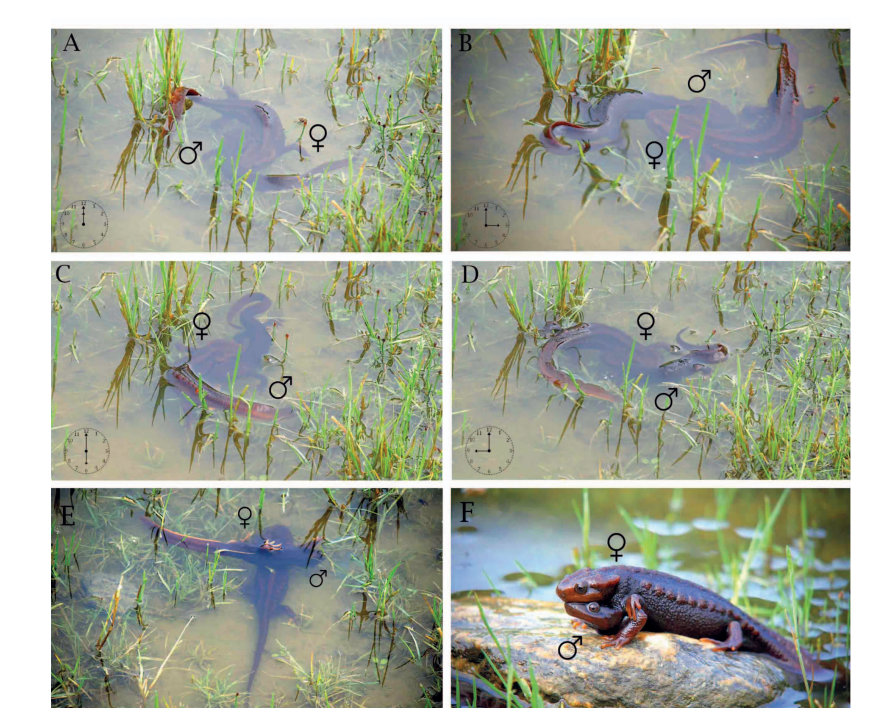
Abstract. In this study, we provide the description of reproductive behaviour and also report the first evidence and description of vocalization in Tylototrito...
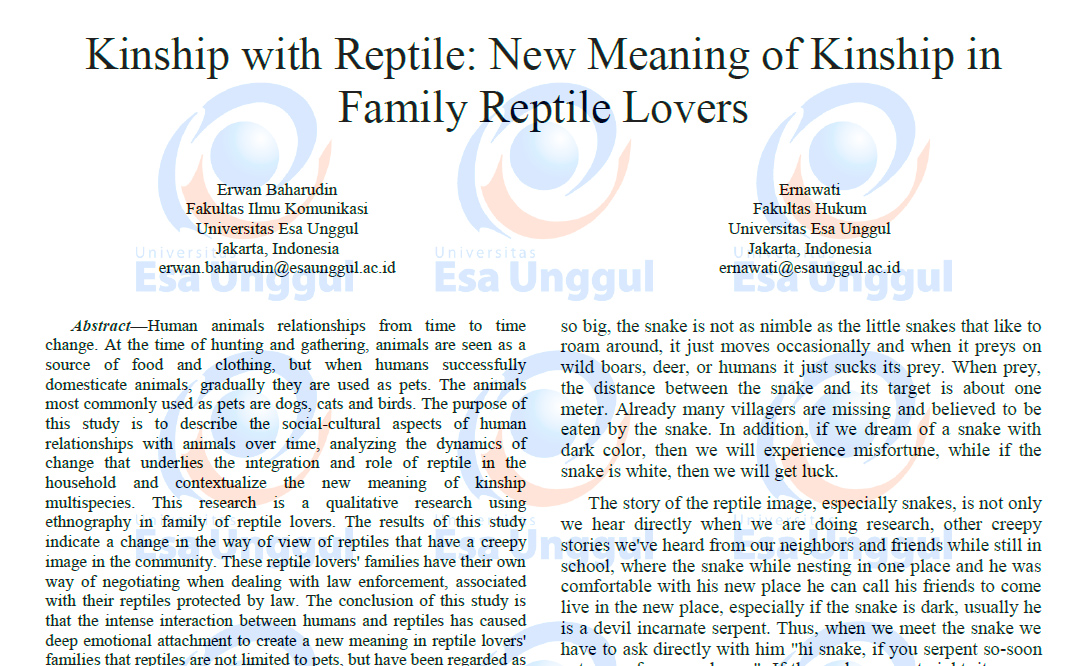
Abstract. Human animals relationships from time to time change. At the time of hunting and gathering, animals are seen as a source of food and clothing, but wh...

Abstract. Due largely to its impressive size, Varanus salvadorii has become a mainstay in zoological exhibitions. Yet, despite its popularity in captive collect...
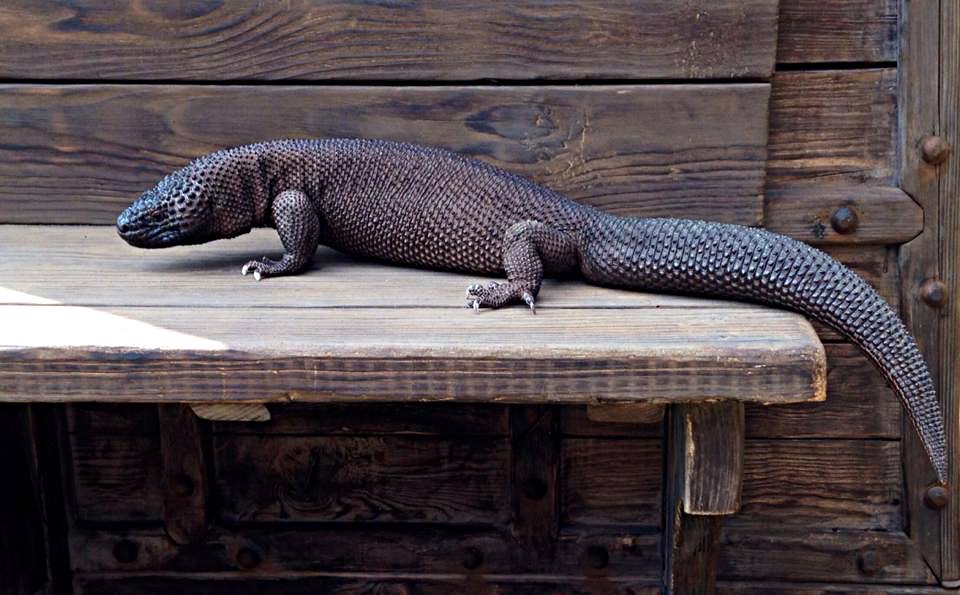
Abstract. While animal rights groups always claim that the pet and exotic animal trade are the reasons so many species are threatened, endangered or nearly ext...
Abstract. Reptiles are a very diverse group with a long evolutionary history dating back 300 million years to the Pennsylvanian subsystem of the Carboniferous ...

Abstract. A broad series of criticisms was presented by Snyder et al. (Conservation Biology 10:338–348) about the use and abuse of captive breeding as a recove...

Abstract. Given current extinction trends, the number of species requiring conservation breeding programs (CBPs) is likely to increase dramatically. To inform ...
Abstract. To discuss the ethical considerations of zoos, we must first define a zoo. A place where exotic animals are housed on display is too broad a definiti...
Abstract. Zoos have been a largely uncontested part of the social fabric of cities for over 2,000 years. The nature and form of zoos have changed as sentiments...

Abstract. Since threatened species are generally incapable of surviving in their current, altered natural environments, many conservation programs require to p...
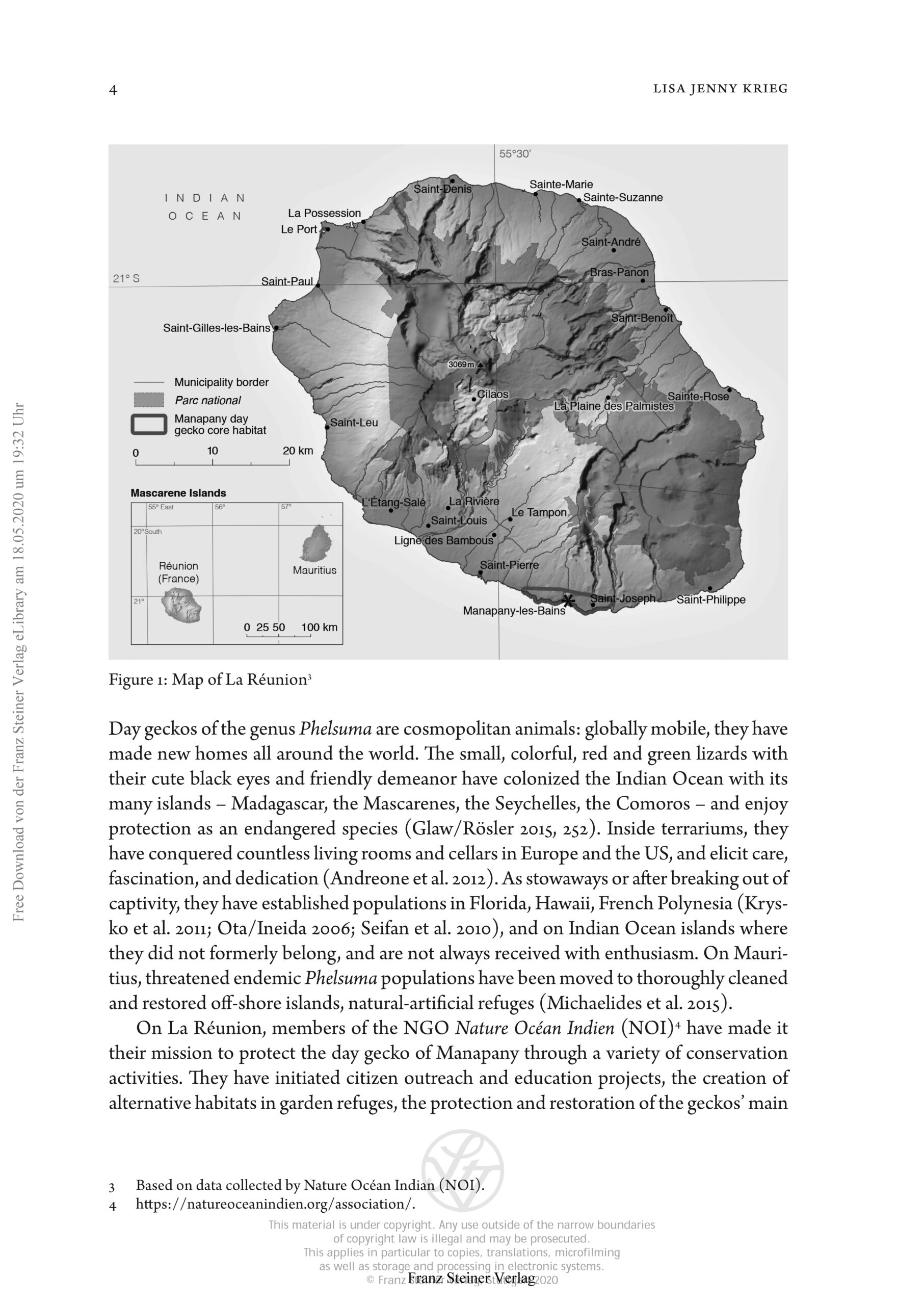
Abstract. Commonly seen as either dangerous or unsocial, reptiles represent a kind of alterity that is ofen deemed categorically different from warm-blooded mam...
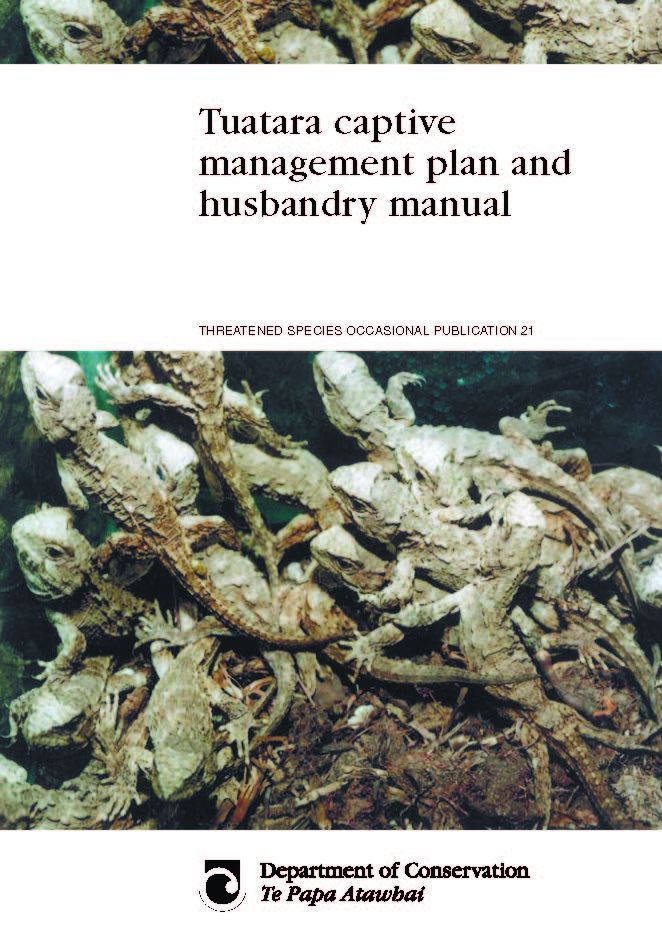
The management of captive tuatara has, in recent years, played a crucial role in enabling the recovery of relict populations, aiding conservation-related resea...
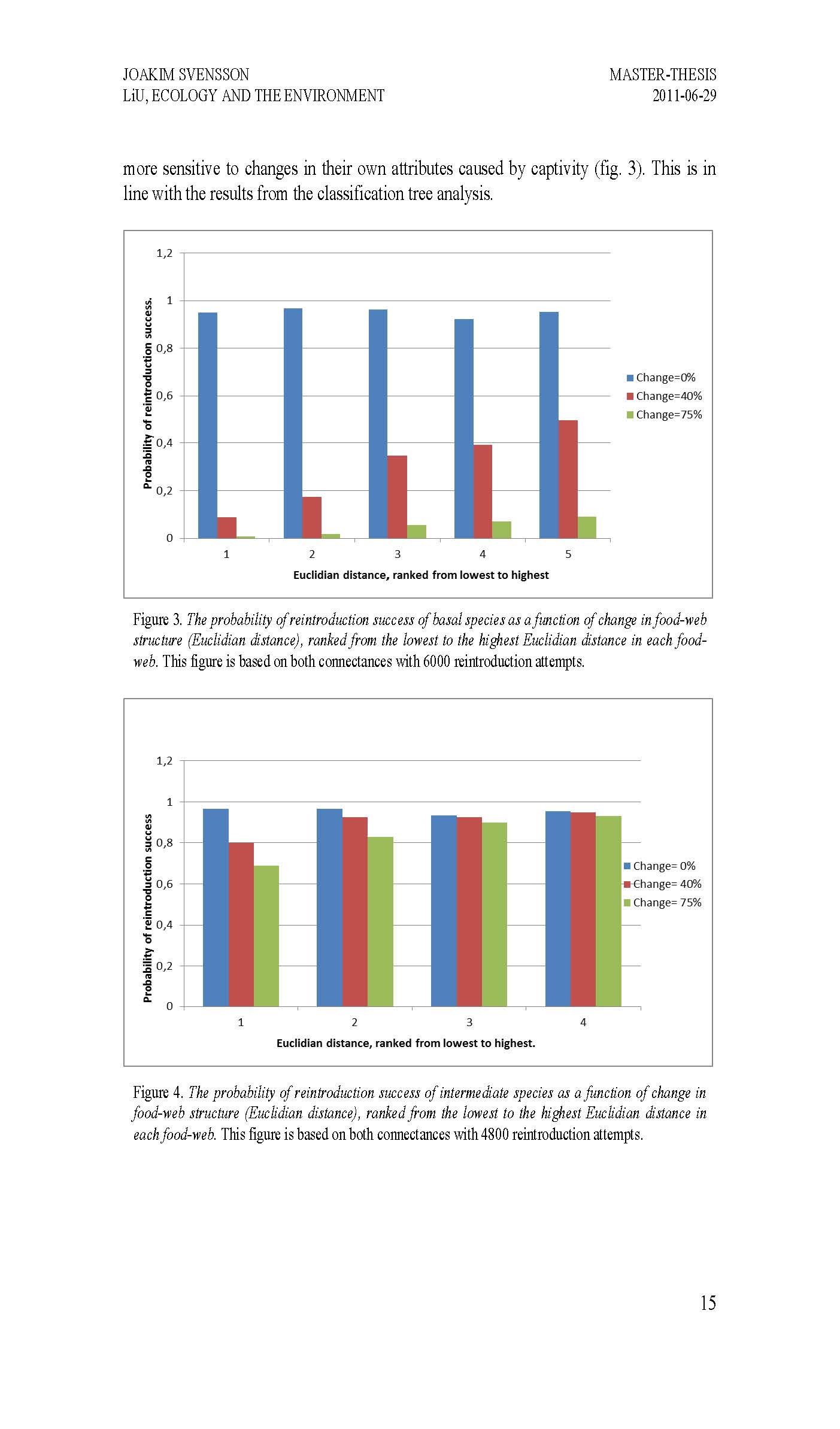
Abstract. Throughout history species has gone extinct due to anthropogenic activities. During the last century efforts have been done to reintroduce species ba...

With amphibians and reptiles declining more dramatically than any other vertebrate group on the planet, what can be done? Around the globe, efforts are underwa...

Abstract. Nearly 200 amphibian species are in immediate need of conservation breeding programs (CBPs) to prevent their extinction, with up to another 950 speci...

Abstract. Captive breeding is one of a myriad of tools at the disposal of conservationists. It can fulfil specific tasks that should be an integral part of the...