 Shopping cart



CONSERVATION /ex situ/
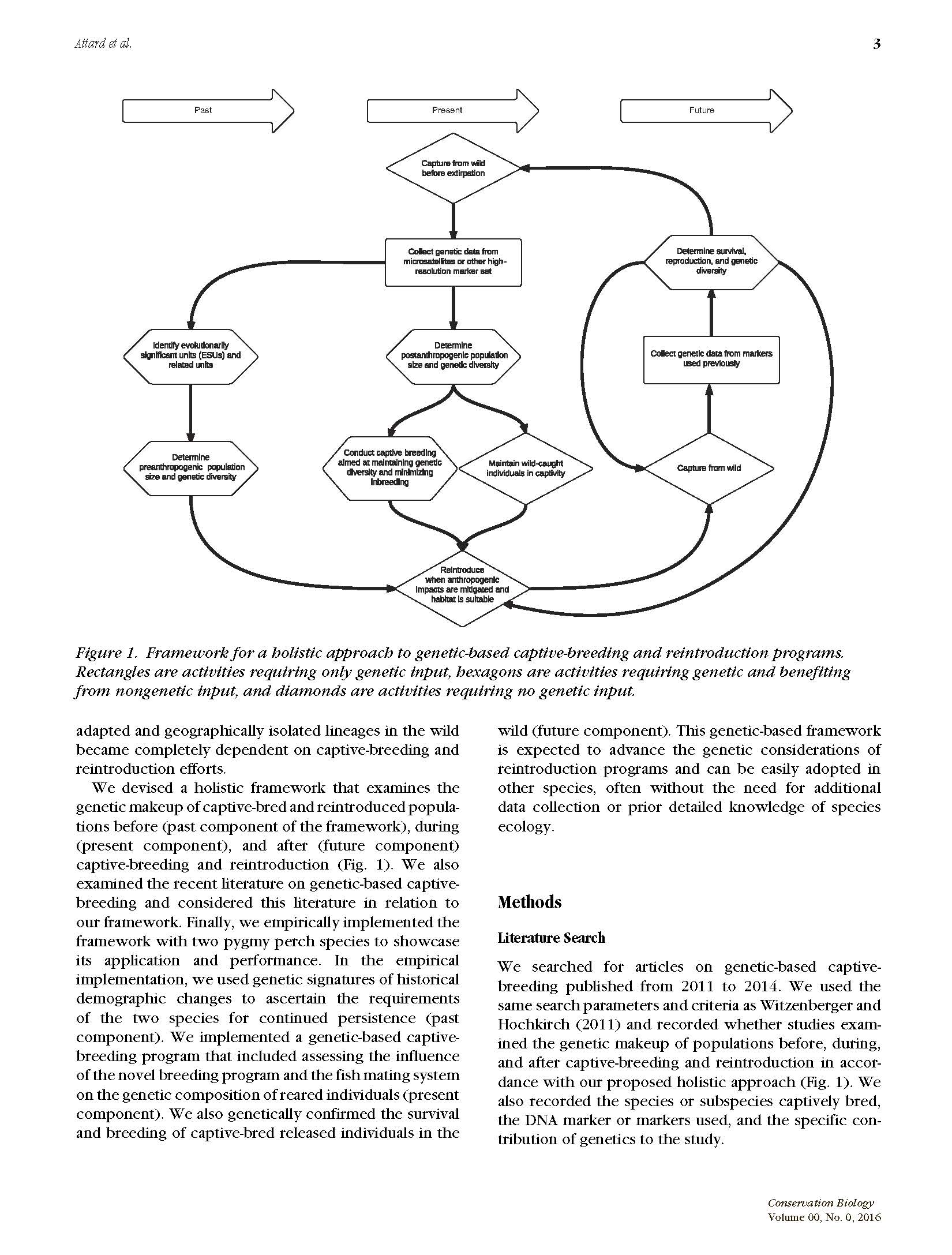
Abstract. Research in reintroduction biology has provided a greater understanding of the often limited success of species reintroductions and highlighted the n...

Abstract. The Amphibian Ark (AArk) was launched in 2006 to unite and expand the global but disjunct community of amphibian ex situ conservationists. The impetu...
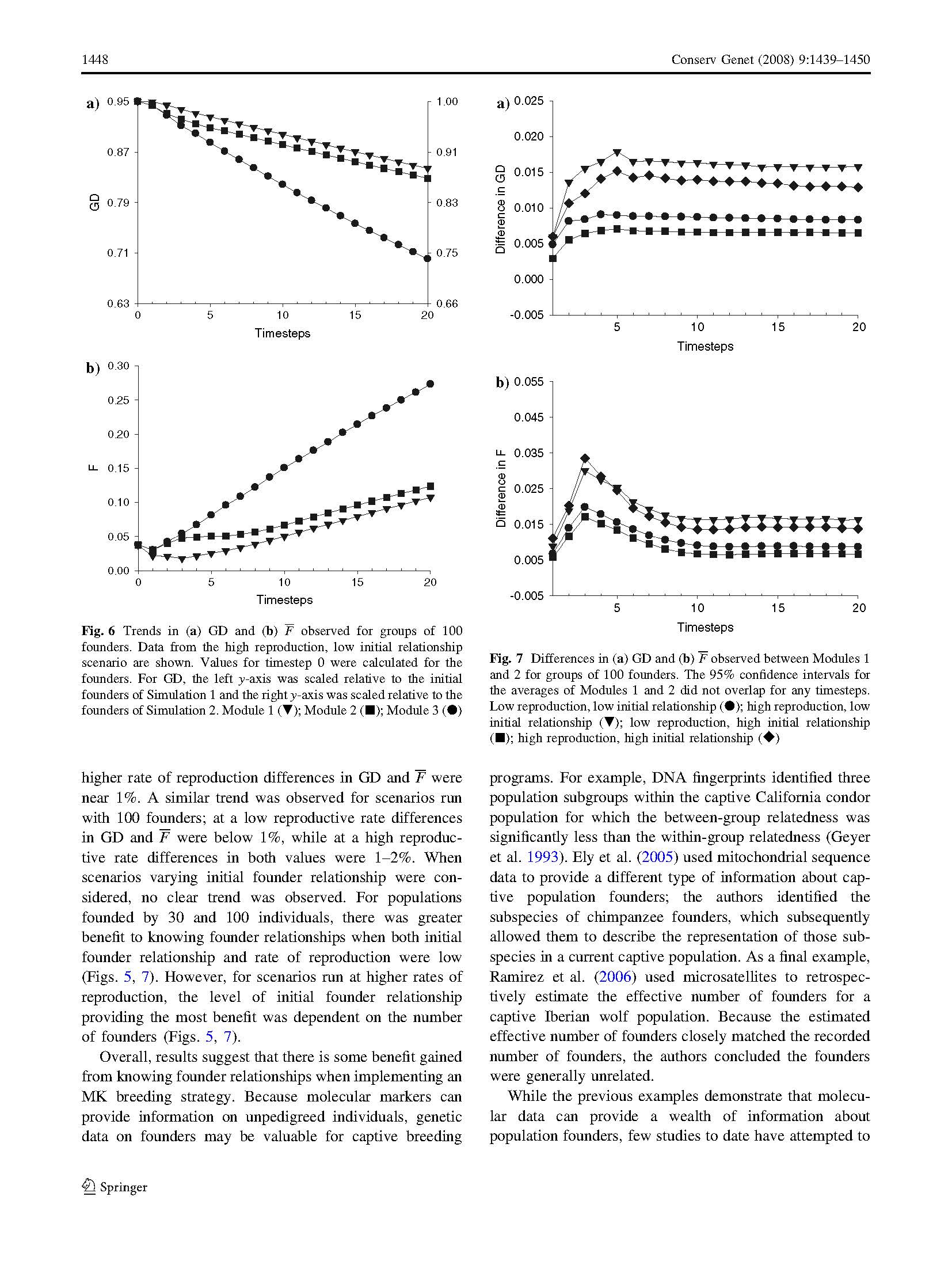
Abstract. Many breeding programs managed by zoos and aquariums employ strategies that minimize mean kinship as a way of retaining genetic diversity (MK str...
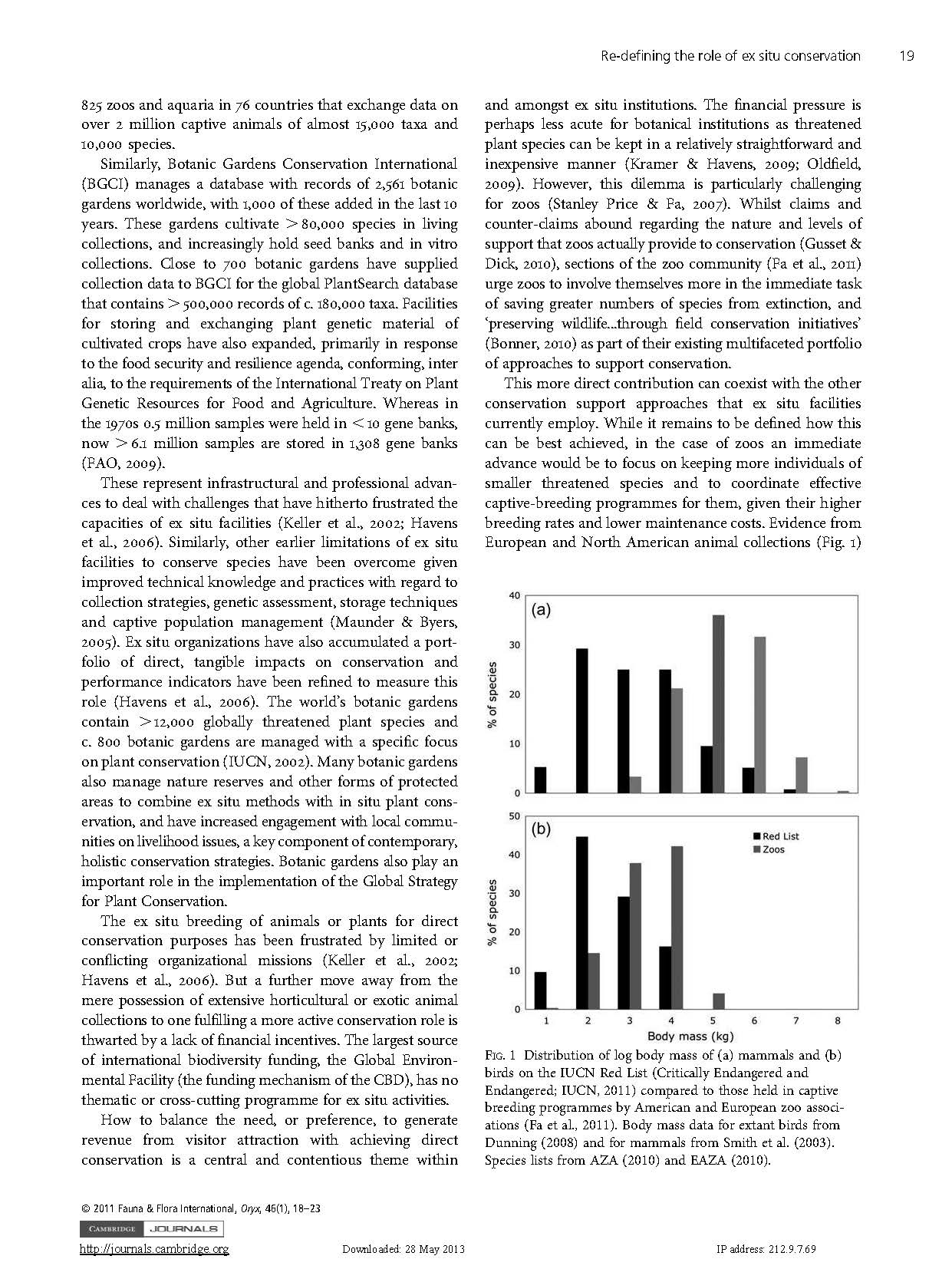
Abstract. In situ conservation is central to contemporary global biodiversity protection and is the predominantemphasis of international regulation and fun...
Captive breeding is the only choice for species that are extinct or nearly extinct in the wild. Nearly one-fourth of mammals, 12% of birds, and almost one-...
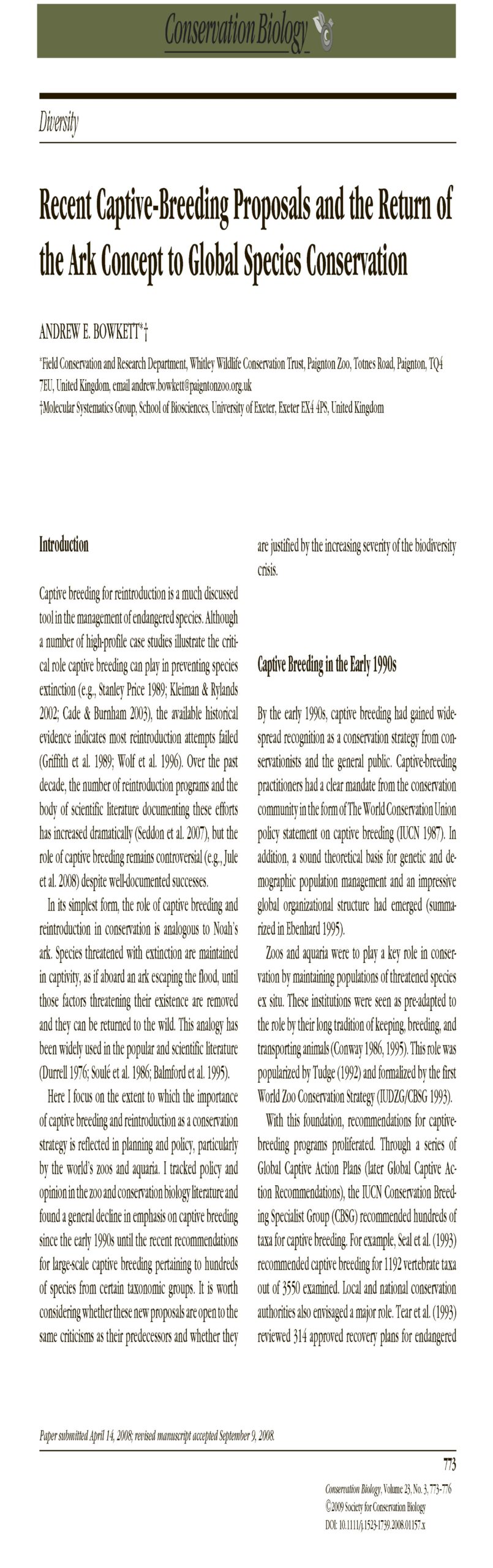
Captive breeding for reintroduction is a much discussed tool in the management of endangered species. Although a number of high-profile case studies illust...

Abstract. Wild populations of the Northern river terrapin Batagur baska have been decimated to such an extent that the species can be considered as ecolog...
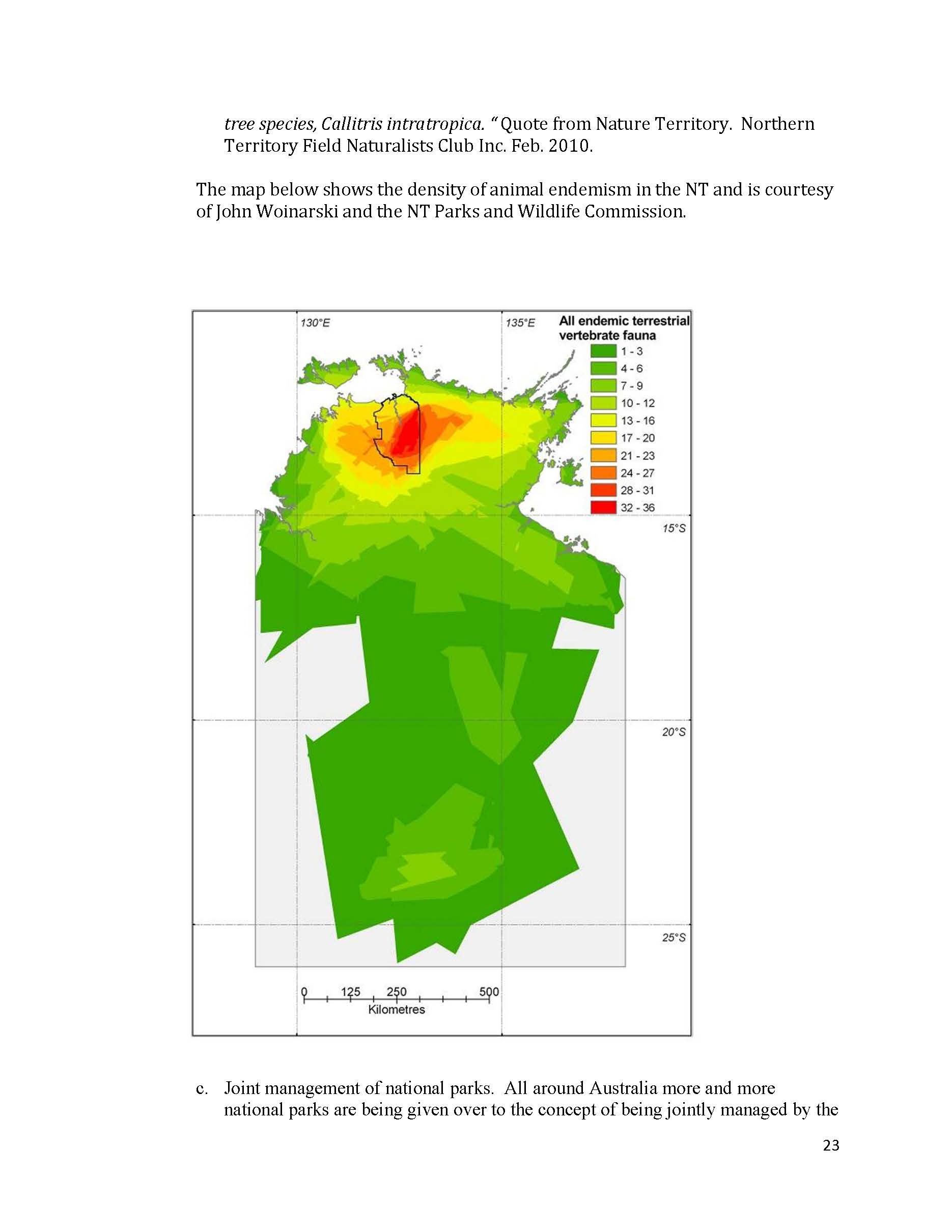
The protection of our nation’s flora and fauna is in a desperate state. Numerous recent media items combine to paint a chilling picture in all regions of A...

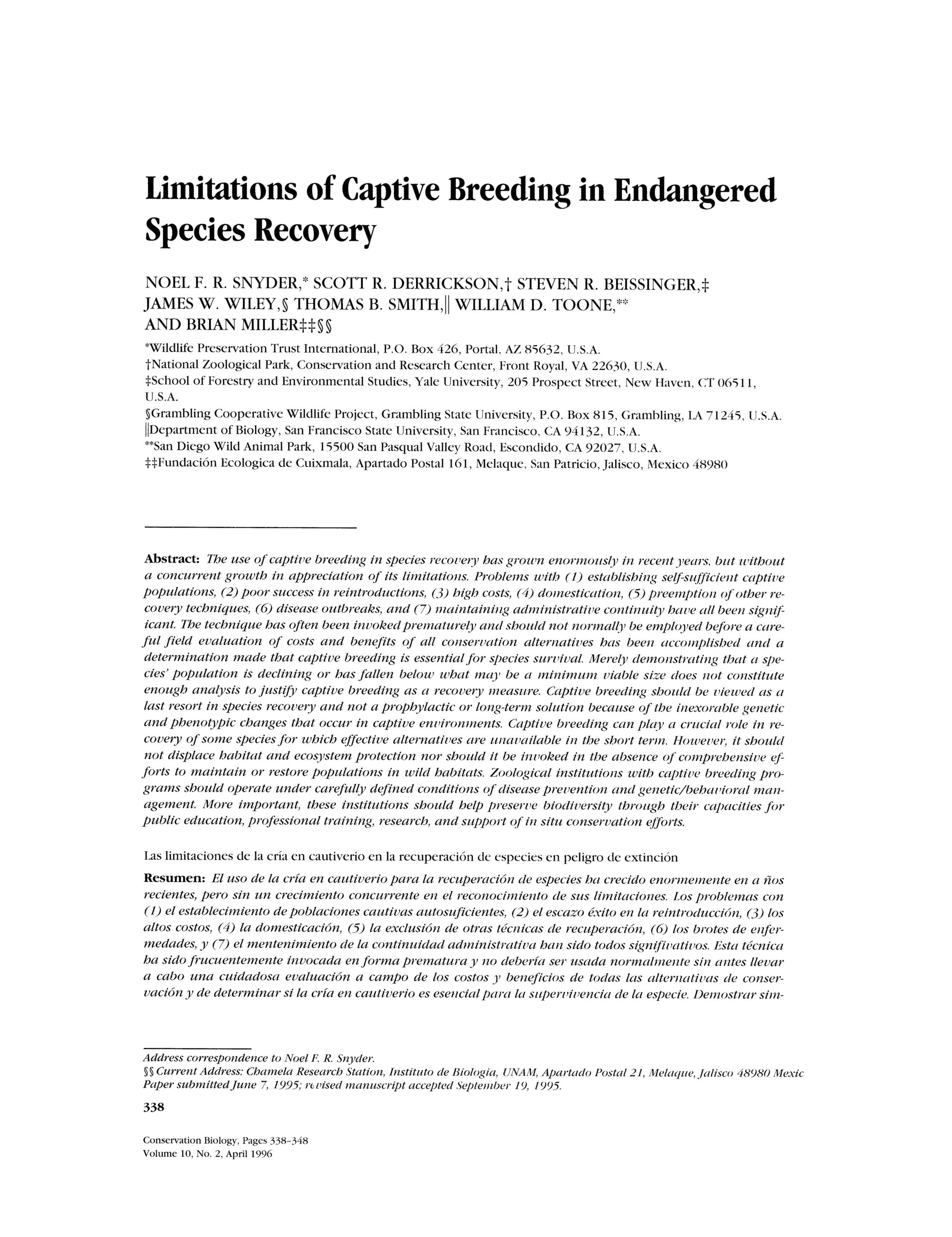
Captive breeding programs are increasingly being initiated to prevent the imminent extinction of endangered species and/or populations. But how well can th...

These guidelines are produced based on information provided by managers of amphibian captive breeding programmes in Latin America, Africa and Asia, along w...
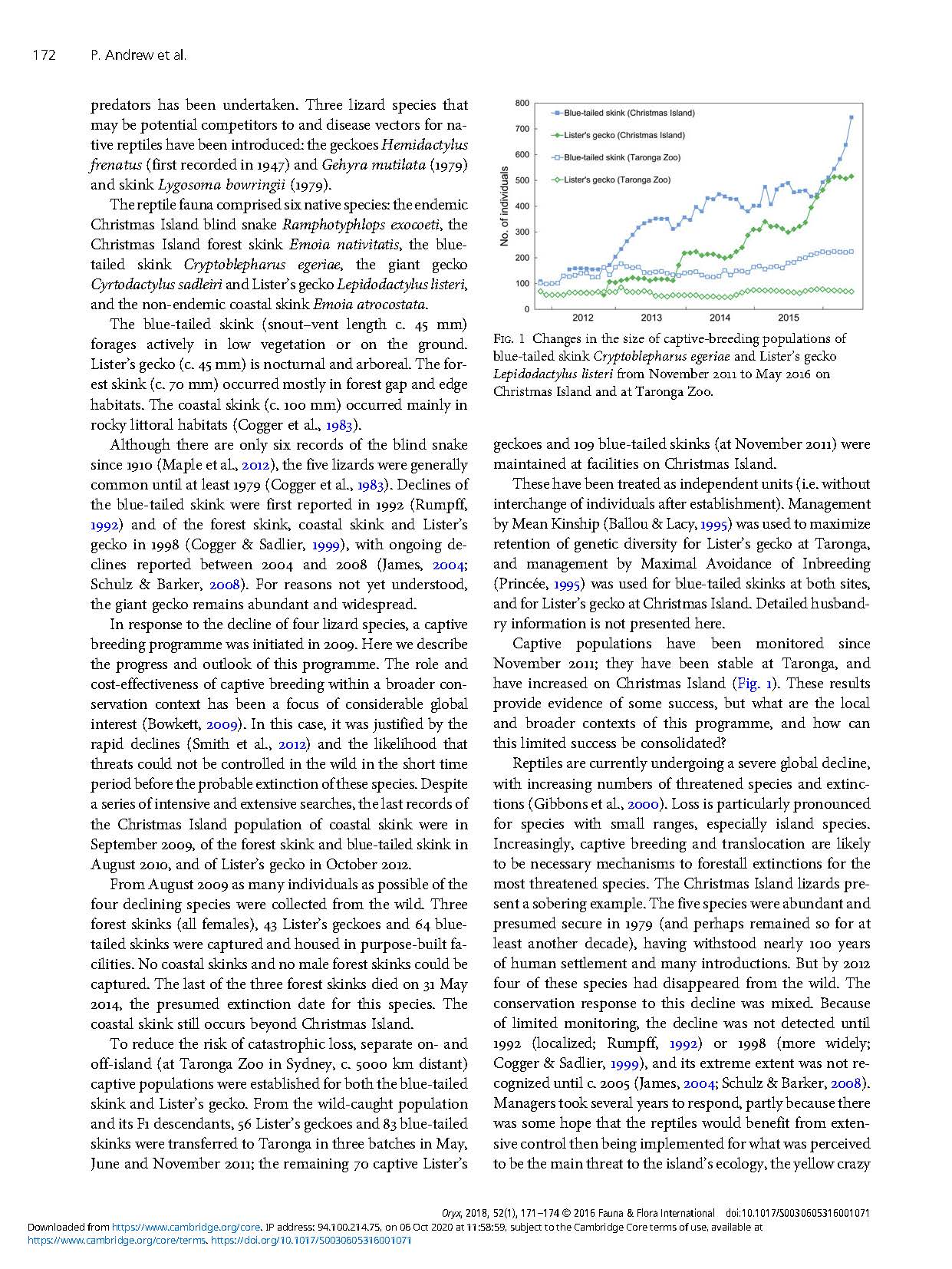
Abstract. As with many islands, Christmas Island in the Indian Ocean has suffered severe biodiversity loss. Its terrestrial lizard fauna comprised five nat...
This study examines the private ownership of exotic species, a topic very relevant to conservation that has long been ignored in the public sphere of polic...
Abstract. Are there “fates worse than death,” to use Kurt Vonnegut’s title? Is captivity one such fate? This chapter examines these questions throu...

A central issue in wildlife conservation is not “when” but “whether” to bring individuals of an endangered species into captivity. This becomes an especial...
Abstract. Due to the importance of ex-situ components of the response to the on-going amphibian extinction crisis, the numbers of captive amphibian spe...

Abstract. In the second half of the 20th century, populations of many wild animal species have been established in captivity for various purposes (e.g...
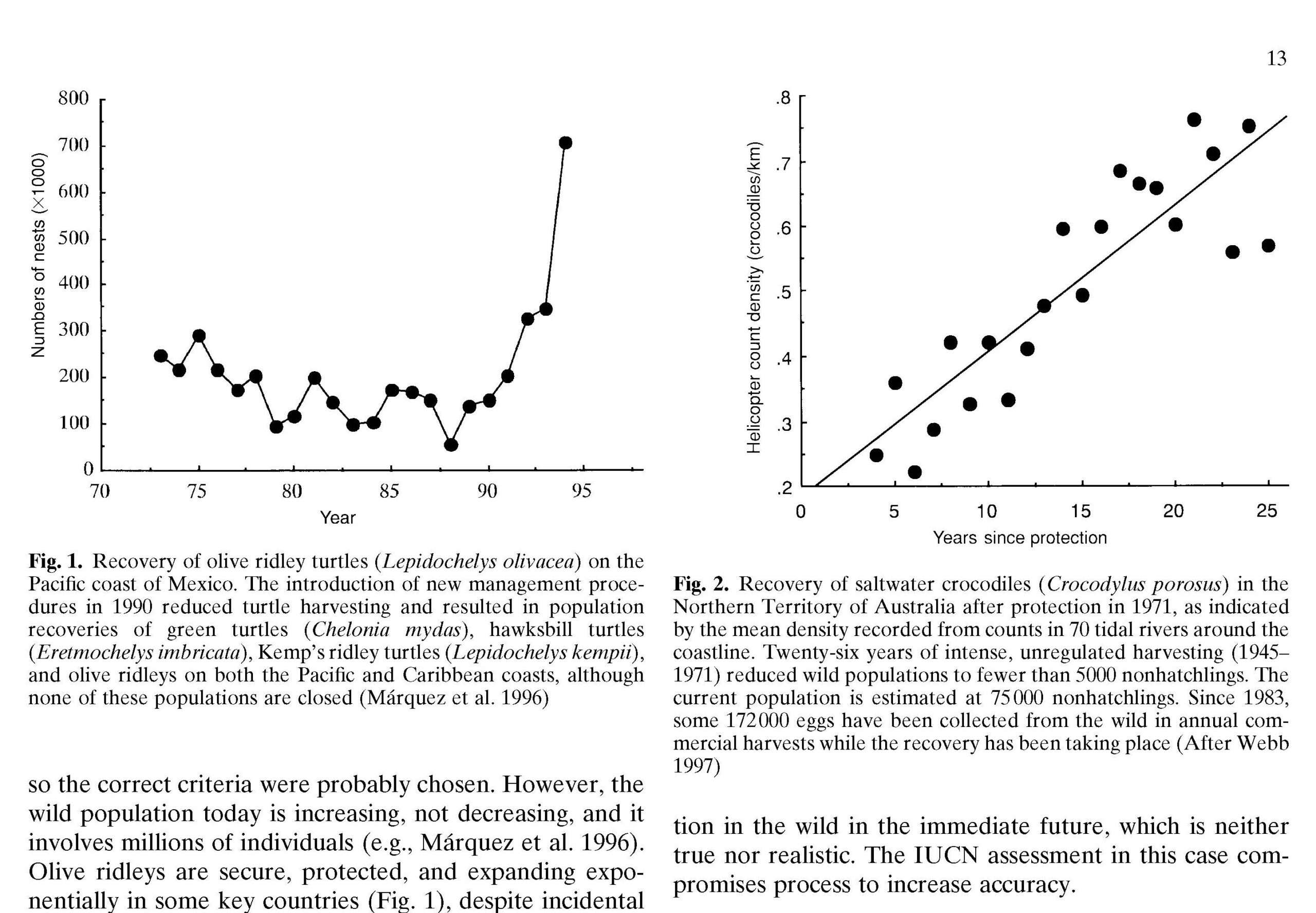
Abstract. The IUCN Red List of Threatened Animals is an important conservation tool, but the accuracy of predictions about risks of global extinction w...

Abstract. Conservation strategies involving relocations, repatriations, and translocations (RRT) have been carried out, are underway, or are advocated ...

Reptiles and amphibians (collectively known as herpetofauna) are not only one of the most diverse groups of vertebrates in Europe, they are also among ...

Abstract. The keeping of exotic pets is currently under debate and governments of several countries are increasingly exploring the regulation, or even ...

Keeping reptiles and amphibians is an activity enjoyed by many hobbyists worldwide and is also undertaken by zoos, museums, research organizations, and...
The keeping of reptiles as pets, both nationally and internationally, has become increasingly common in recent years (RSPCA 2004; APPMA 2015), with so...
The commercial captive breeding of wildlife is often seen as a potential conservation tool to relieve pressure on wild populations, but laundering of ...