 Shopping cart



Reptile Trade
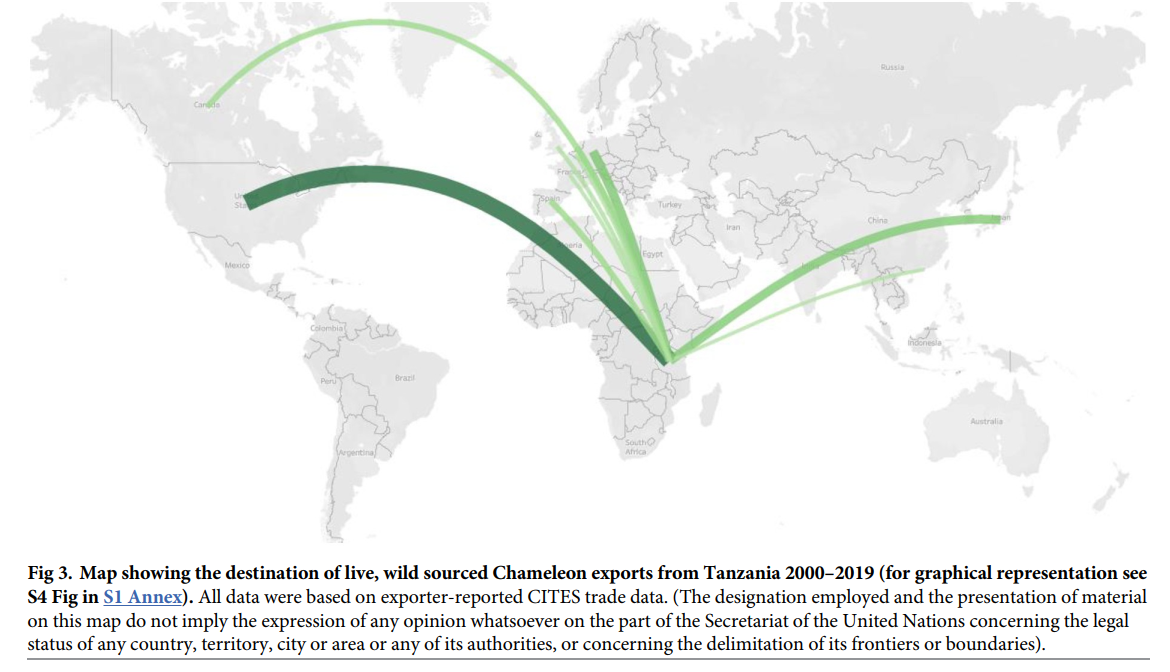
Abstract. Chameleons (family Chamaeleonidae) are a distinctive group of reptiles, mainly found in Africa, which have high local endemism and face significant t...
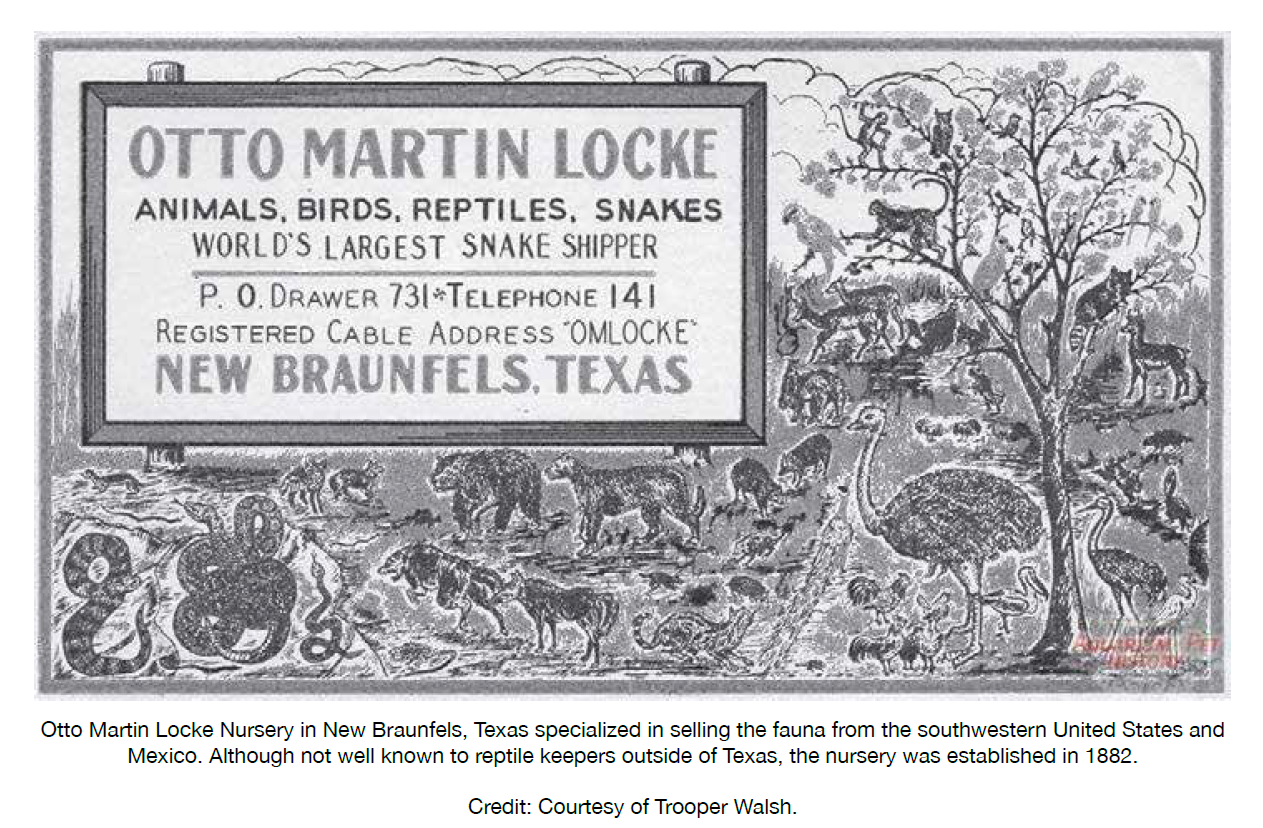
Abstract. If one tracks the development of herpetoculture by using reptile dealer price lists as a source, major trends are apparent. Due to loss of biodiversit...
Abstract. Previous research has shown particular monitor lizard species to be the subject of intense exploitation for the global trade in reptile skins. However...
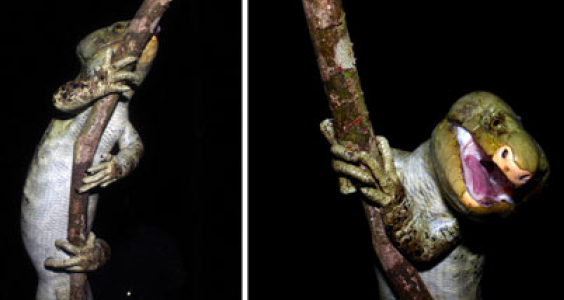
Abstract. The prehensile-tailed skink Corucia zebrata is endemic to the Solomon Islands. It is the most traded reptile from the country. During 2000-2019, CITES...

Abstract. Reptiles are one of the most heavily harvested terrestrial faunas in the world, with varanoidlizards (Varanus and Lanthanotus) as some of the most sou...

Abstract. In an effort to meet the demand for the trade and to reduce pressure on wild populationsof monitor lizards (Varanus spp.), several countries have enco...
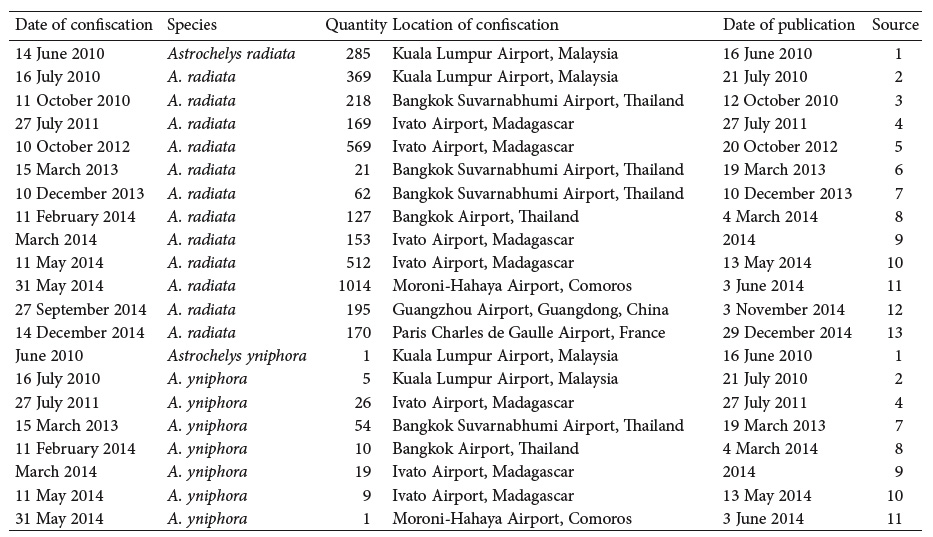
Abstract. Illicit wildlife trade is a main reason for the decline of many species worldwide (Broad et al. 2003, Engler & Parry-Jones 2007, Rosen & Smith...

Abstract. The number of reptiles kept as pets appears to have increased. The rise in calls to, and collections by, the RSPCA relating to reptiles over the past...
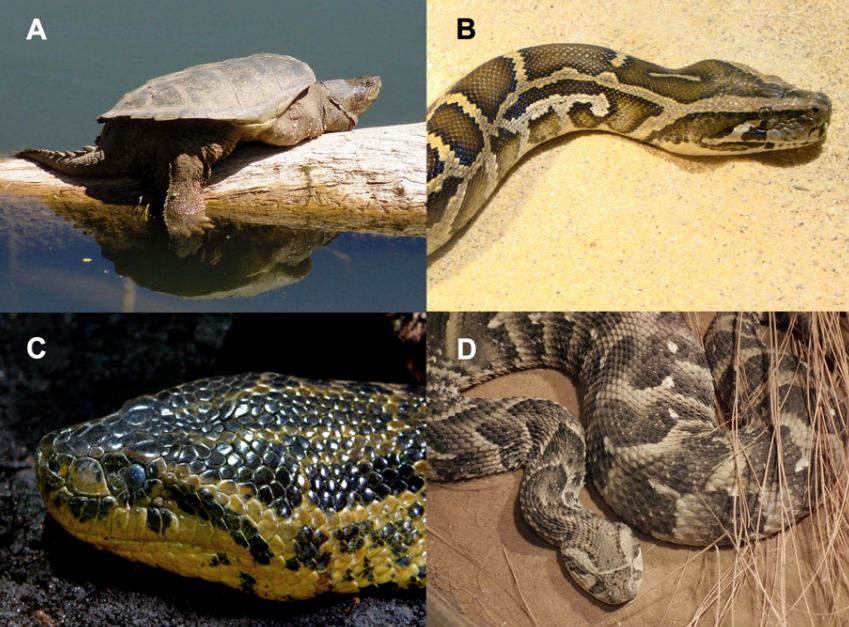
Abstract. The illegal wildlife trade is driving biodiversity declines worldwide, yet its role in transporting alien species with a high likelihood of establish...
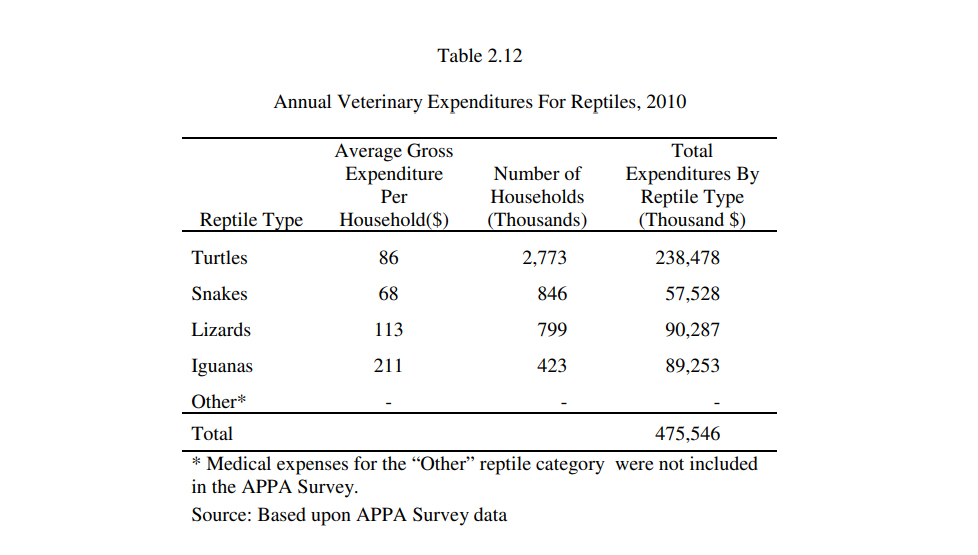
This report provides an overview of the modern U.S. reptile industry. The United StatesAssociation of Reptile Keepers (“USARK”) commissioned this report to she...
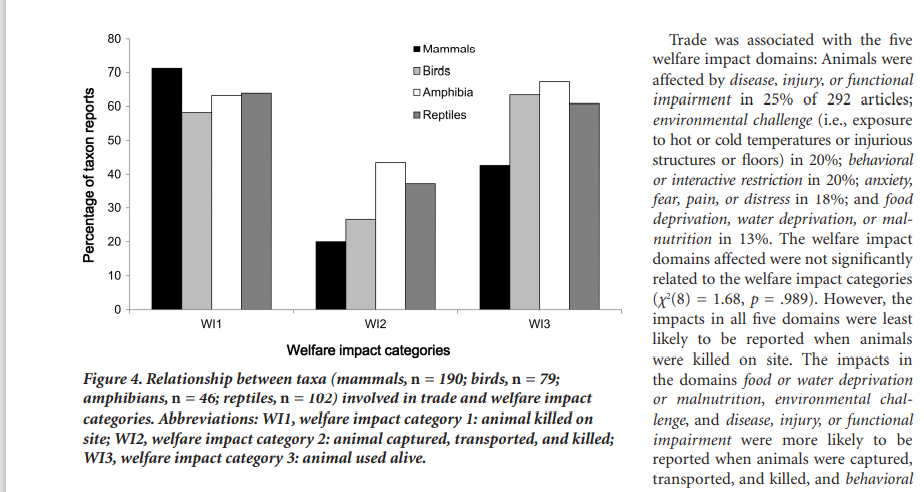
Abstract. Wildlife trade is a big and burgeoning business, but its welfare impacts have not been studied comprehensively. We review the animal welfare impacts ...
Abstract. Wildlife trade and the collection of wild animals for pets are contributing to the global loss of biodiversity (Bush et al. 2014; Scheffers et al. 20...
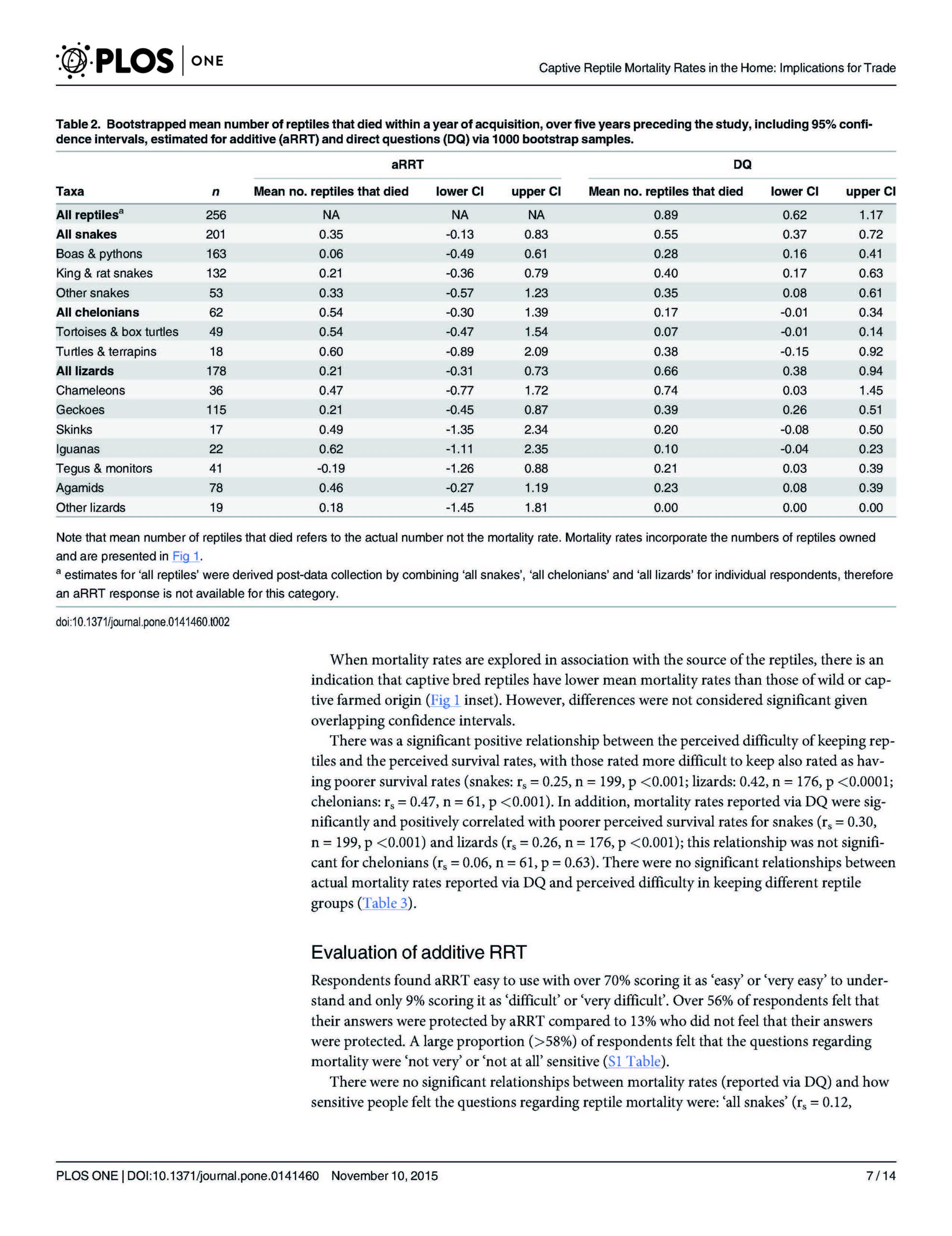
Abstract. The trade in wildlife and keeping of exotic pets is subject to varying levels of national and international regulation and is a topic often attractin...

Wild-caught Malagasy reptiles and amphibians occur widely in Thailand’s pet trade. These animals are largely endemic to specific areas of Madagascar and ar...
Abstract. The global amphibian trade is suspected to have brought several species to the brink of extinction, and has led to the spread of amphibian pa...
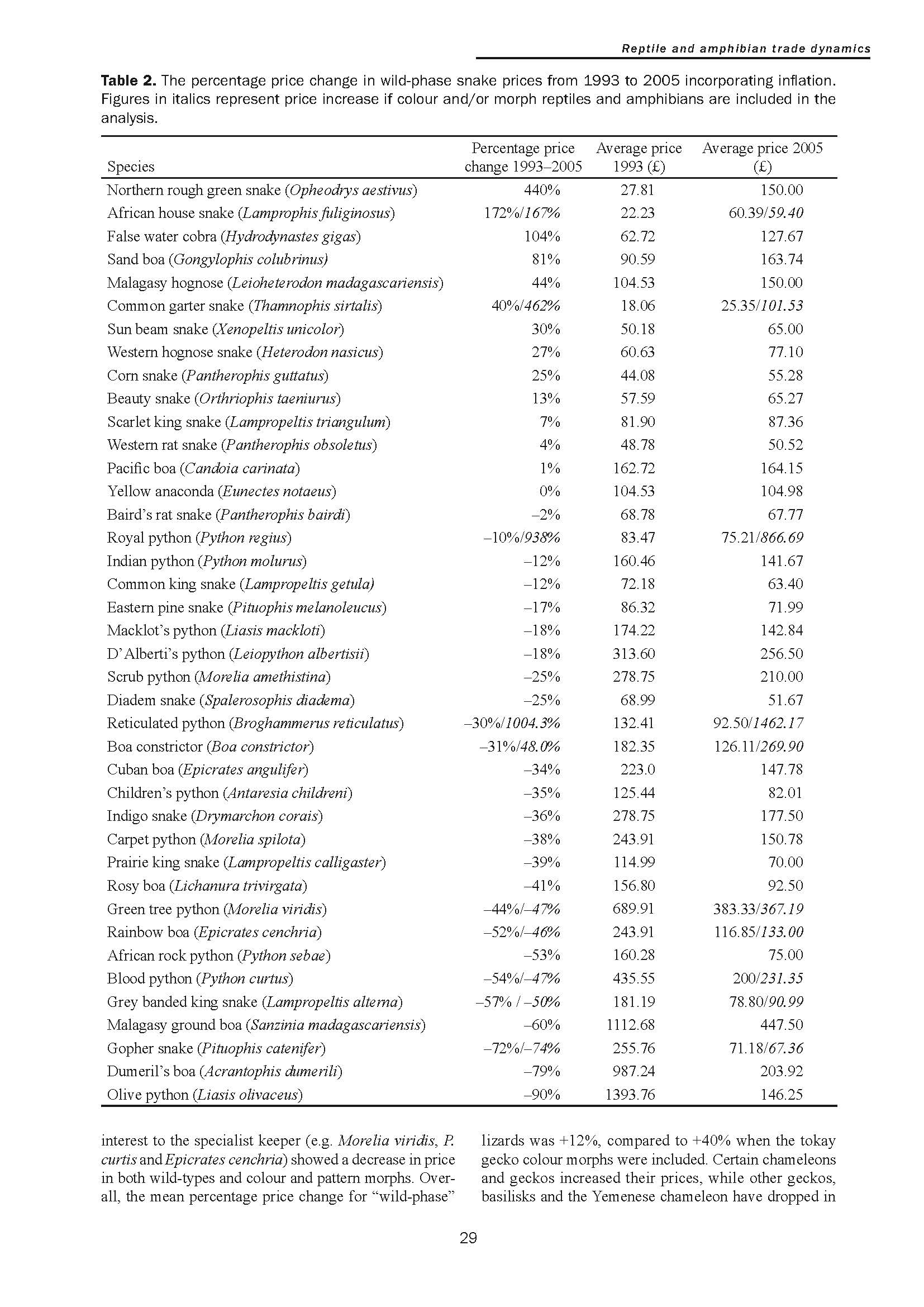
This study compared the trade in reptiles and amphibians in the United Kingdom between 1992–3 and 2004–5. In particular, the impacts of captive breedin...
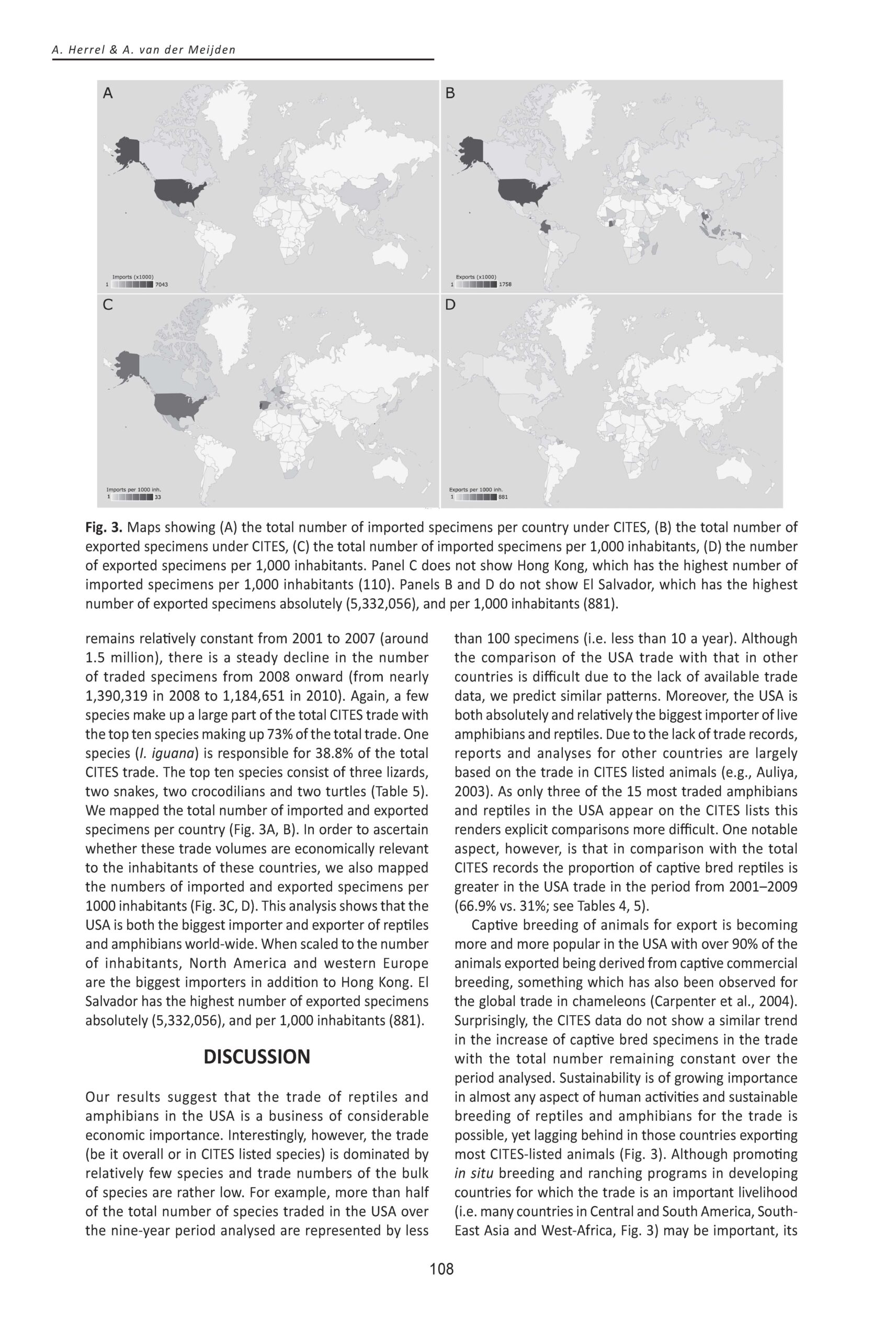
Abstract. The trade in wildlife is a globally important industry. Amphibians and reptiles are among the most commonly traded animals and this trade has...
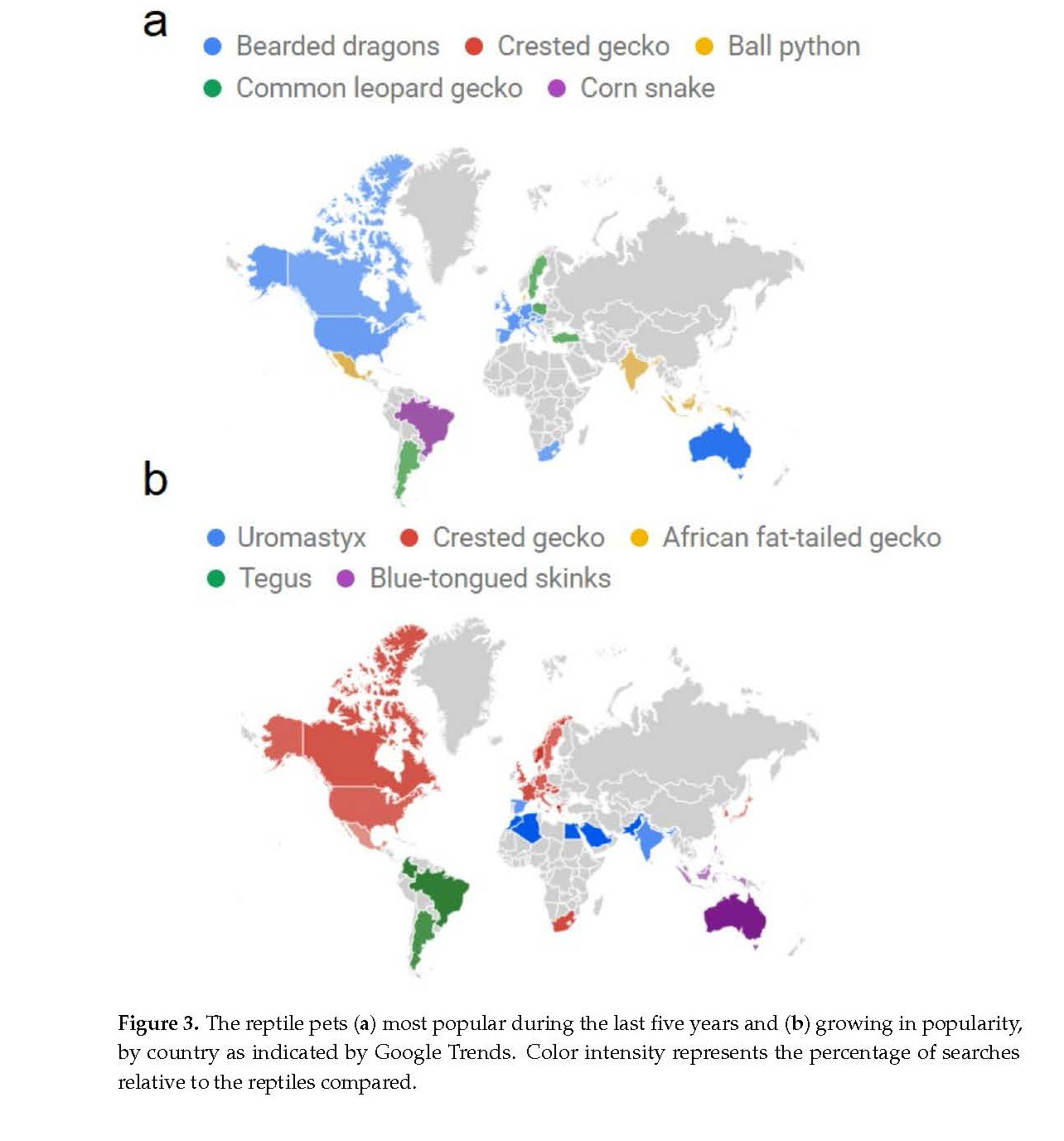
Abstract. Reptiles are one of the most popular exotic pets in the world. However, the most common pet reptiles are typically non-threatened, captive-br...

Abstract. Translocations are important tools in the field of conservation. Despite increased use over the last few decades, the appropriateness of tran...
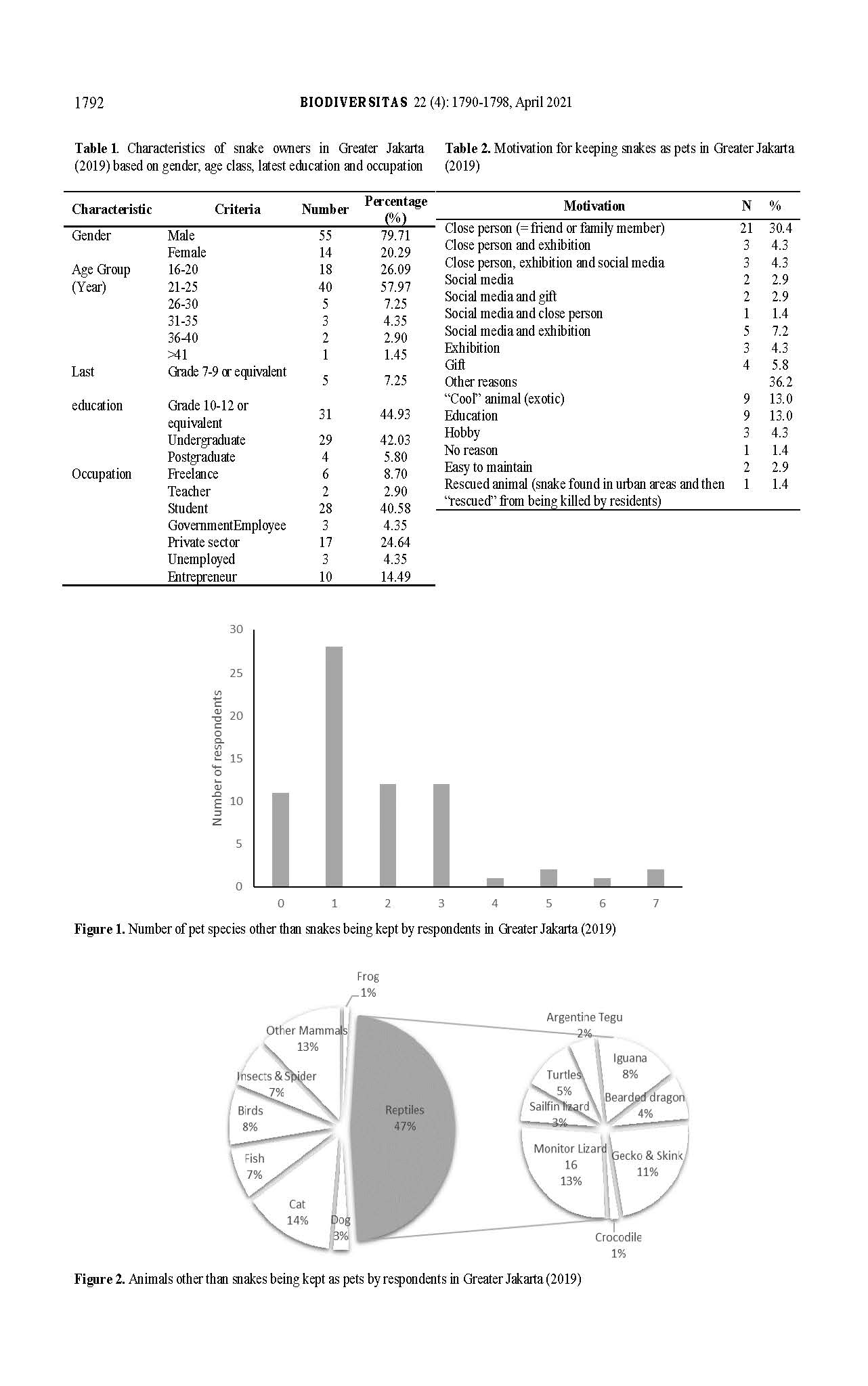
Abstract. Snake pets have gained popularity all over the world, including in Indonesia. We conducted an online survey to gather information regarding t...

Abstract. The present study analyses the cost of breeding Malagasy amphibians and reptiles, integrating research data with analysis of data collected f...
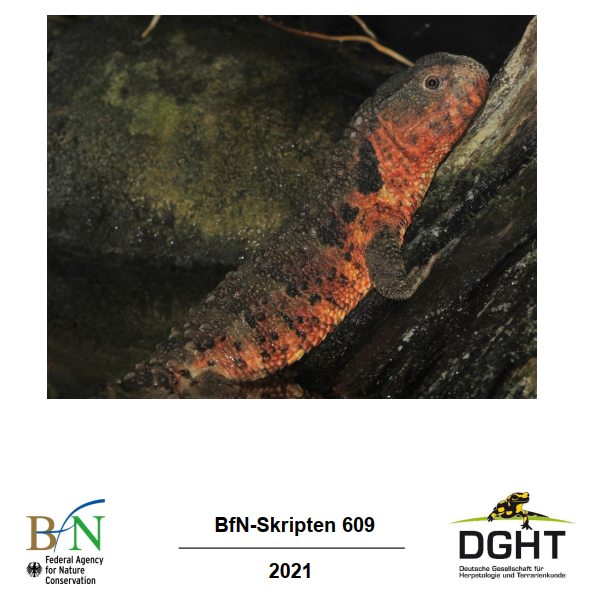
The European Union (EU) belongs to the global major importers of living reptiles, as well as their parts and products (such as leather). The Convention of...
The relationship between the use and wildlife trade and conservation outcomes is not always straightforward. Accurately characterizing wildlife trade and unde...