 Shopping cart




A Long-lasting conservation project aimed on saving of European pond turtle (Emys orbicularis) headed by Mihails Pupiņš clearly shows the importance of captive breeding and subsequent reintroduction for saving of wild populations of turtles.
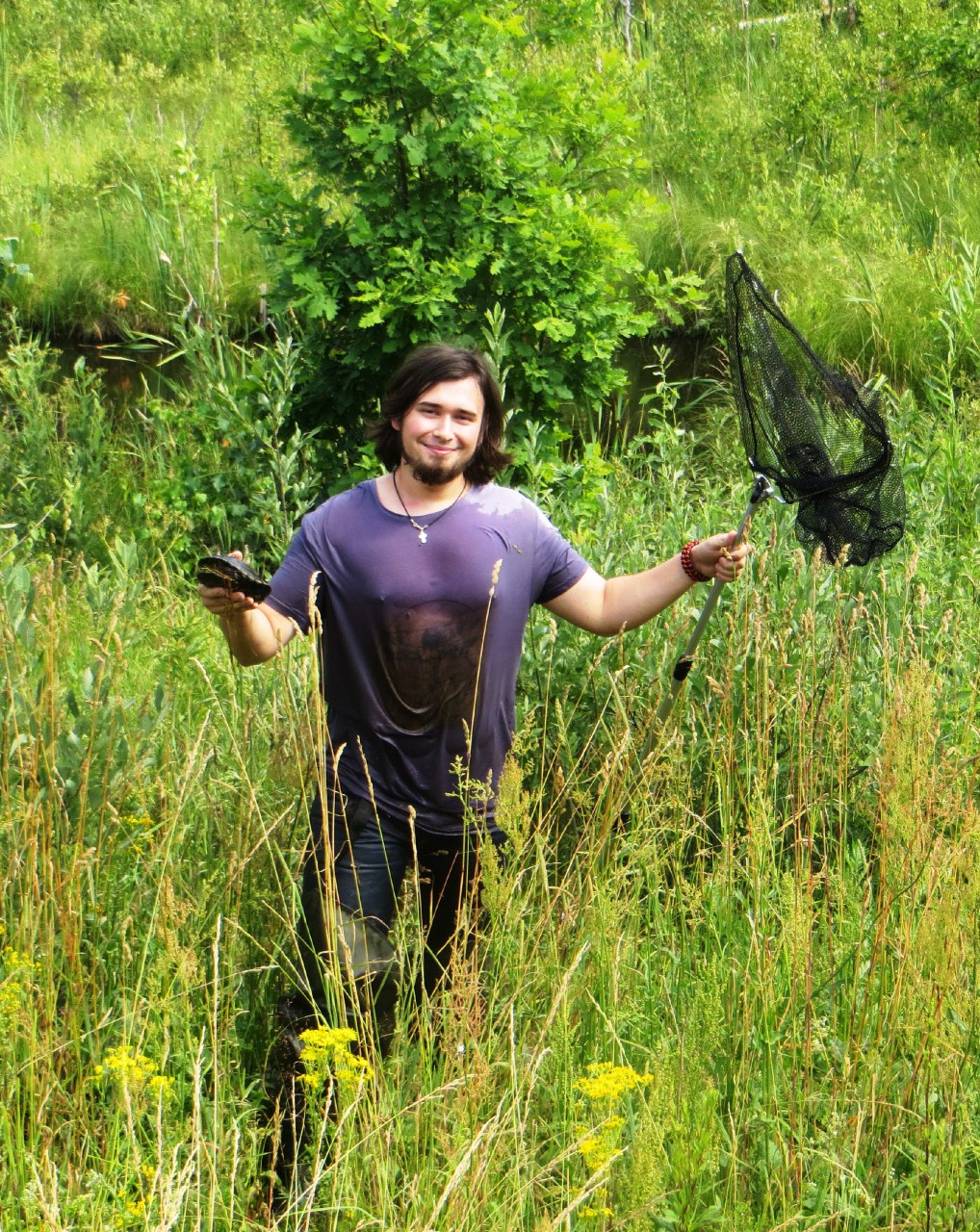
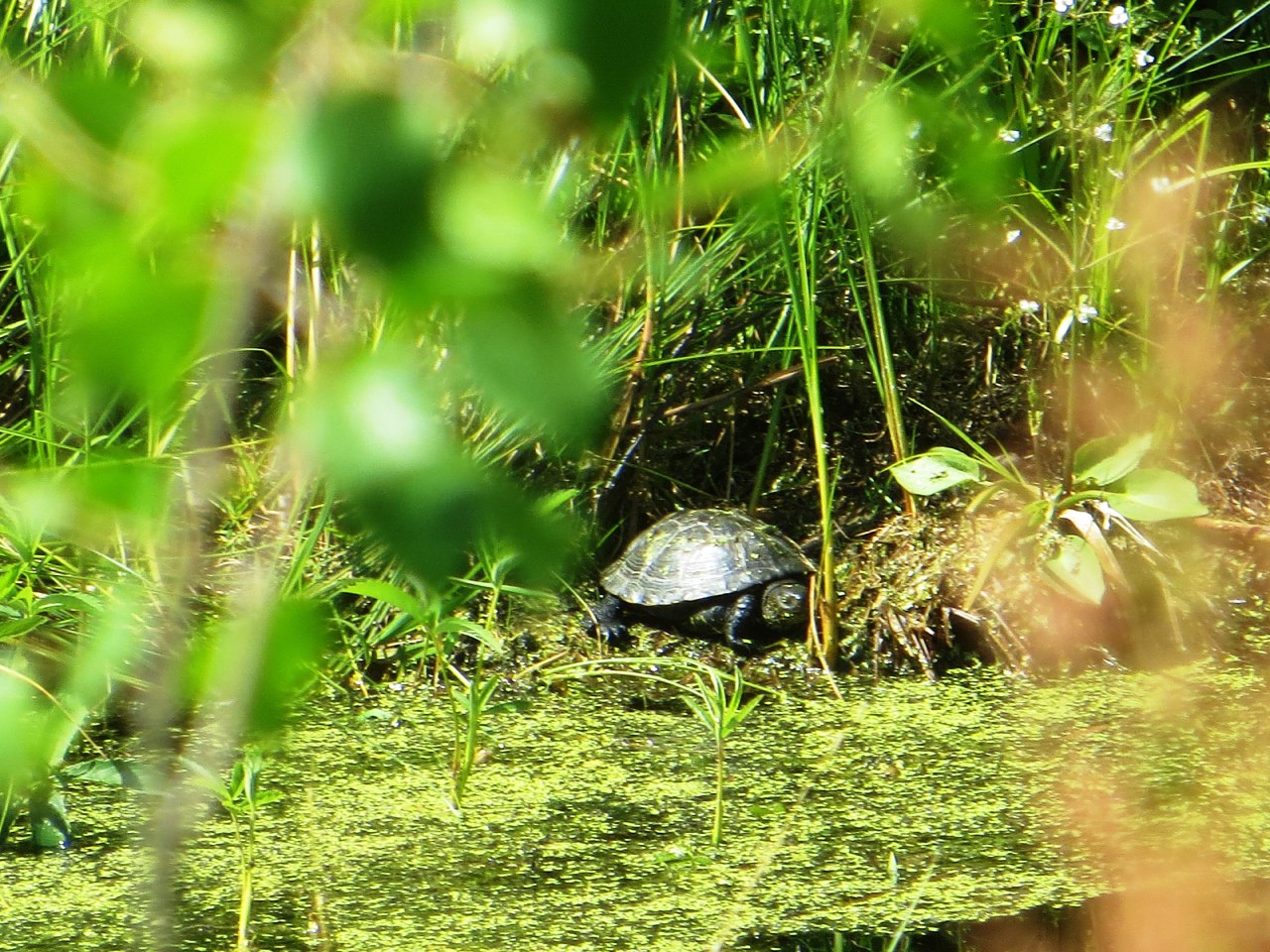
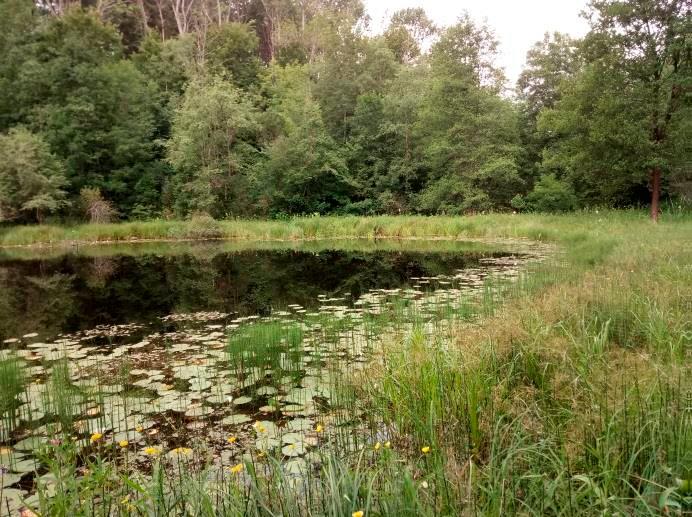
As the matter of fact, Latvia is one of the countries where northern edge of the natural distribution are of European pond turtle (Emys orbicularis) occurs. Here these animals’ nature habitat was anthropogenically transformed by local inhabitants which in combination with cold climatic specifications made these species extremely rare in this country. However as of now, situation became much better thanks to long lasting efforts of Latgales Zoo and Daugavpils University, Latvia.
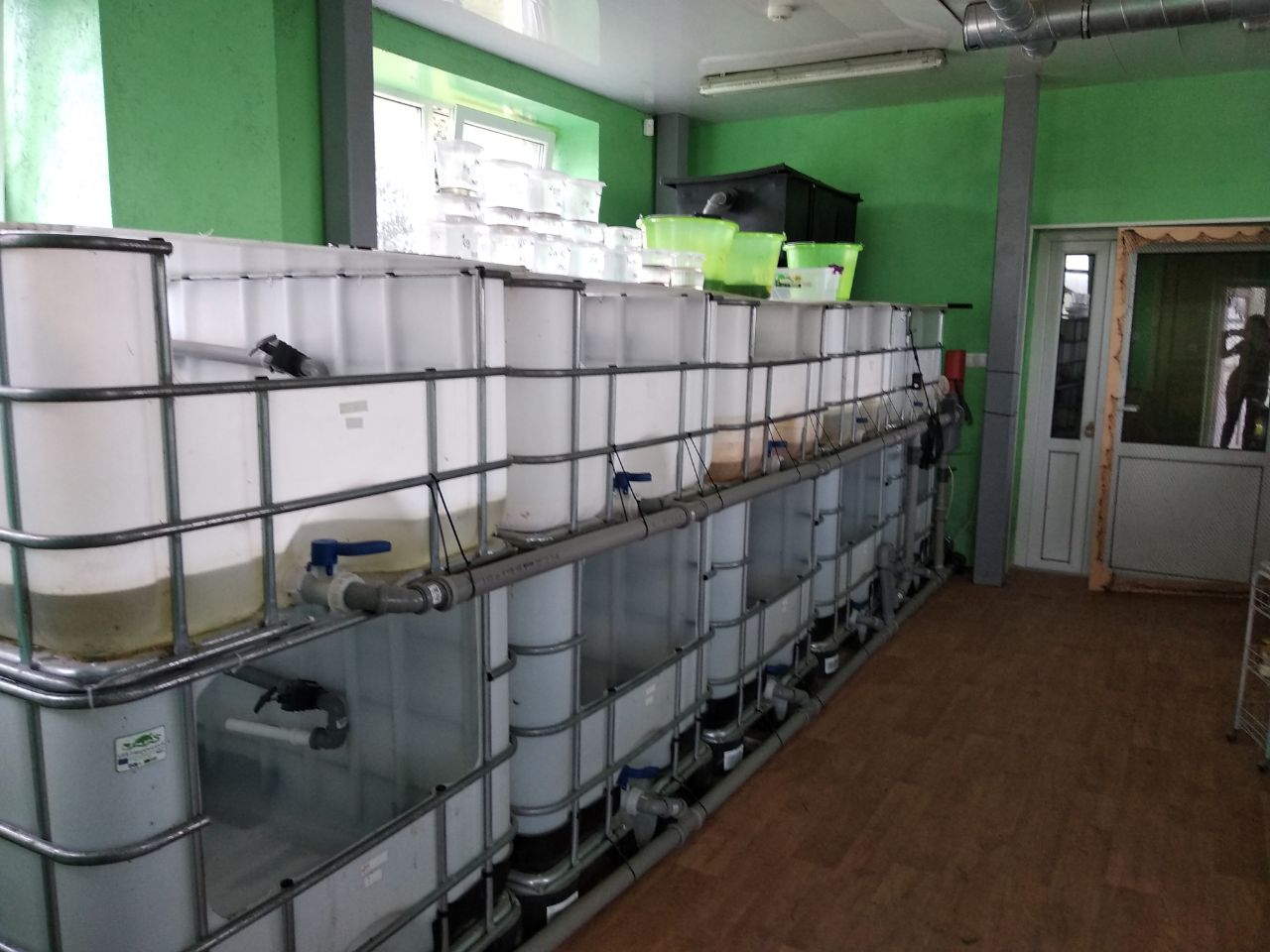
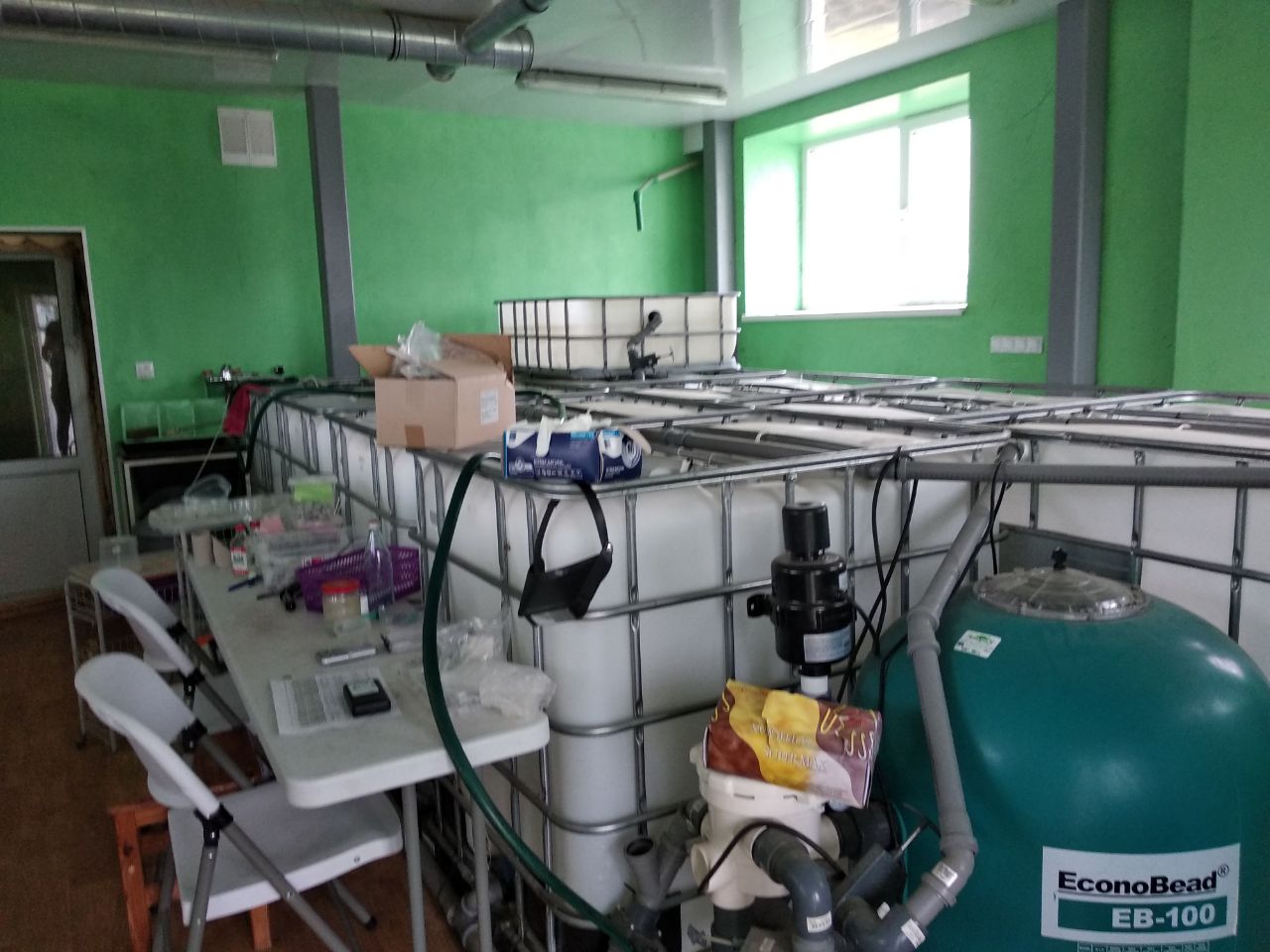
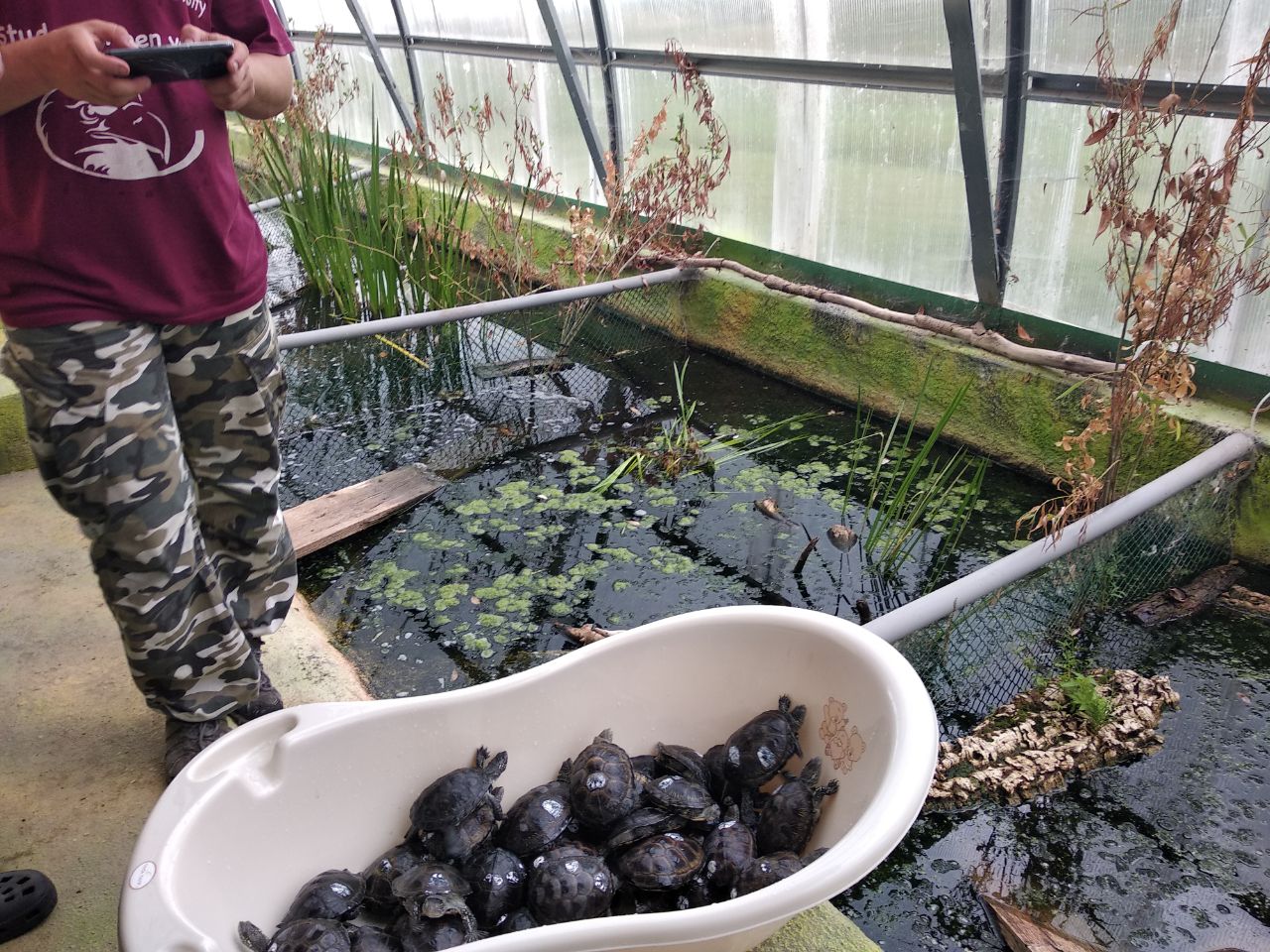
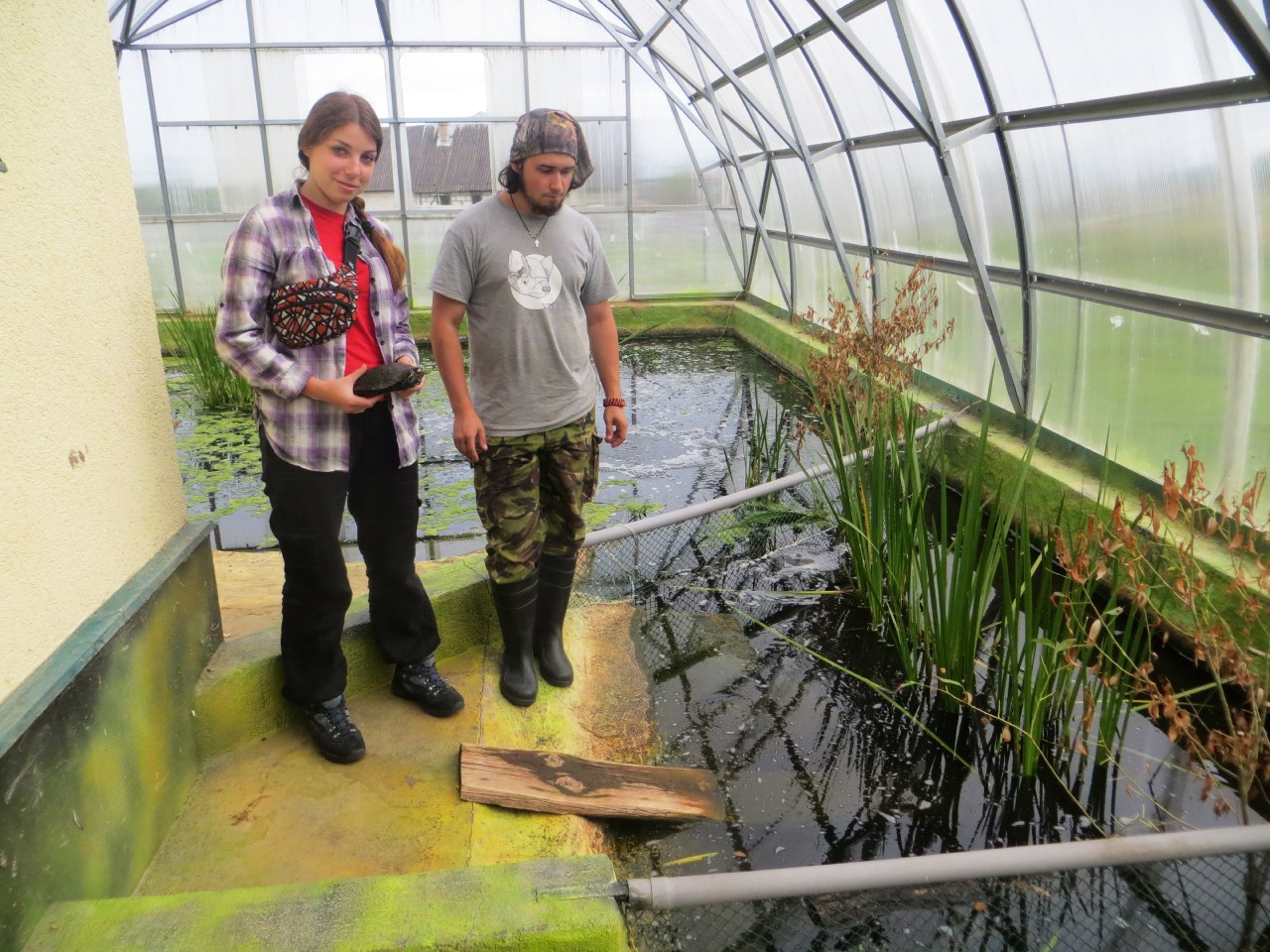
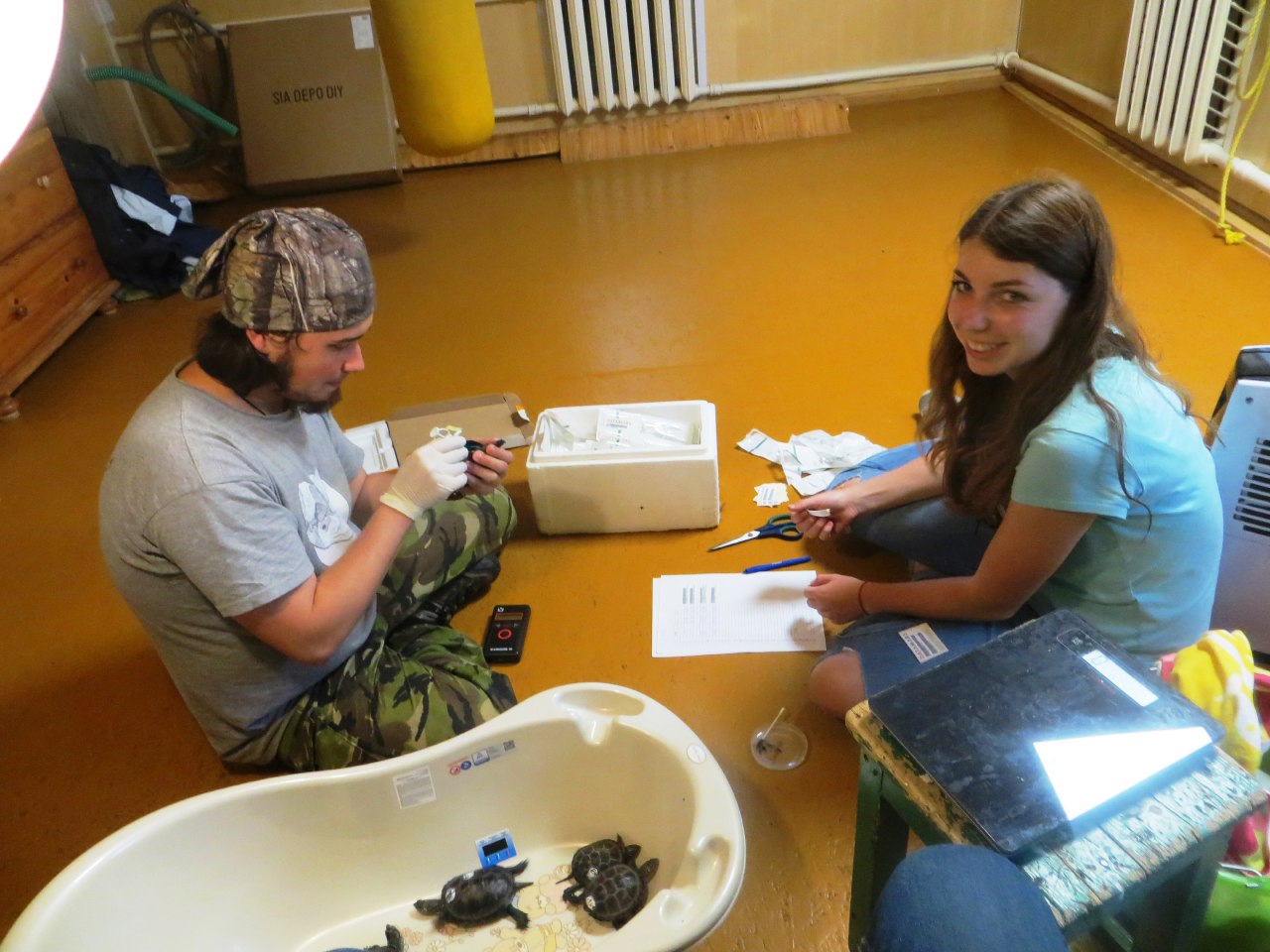
Latvian researhers and hepetoculturists won several grant projects for financial support of actions of the Species protection plan. Using herpetoculture methods: legal obtaining of wild caught local breeding stock and creating adequate keeping conditions for turtles (including proper diet, system of artificial indoor and outdoor pools, construction of nesting places and organizing facilities for raising of turtles’ hatchlings), – for now their work resulted in restoration of three turtles populations in Latvia. And this success is a result of a massive work done on different levels of many spheres of nature conservation, science, legislation and education, the most important from them are:
- Creating of a Species conservation Plan.
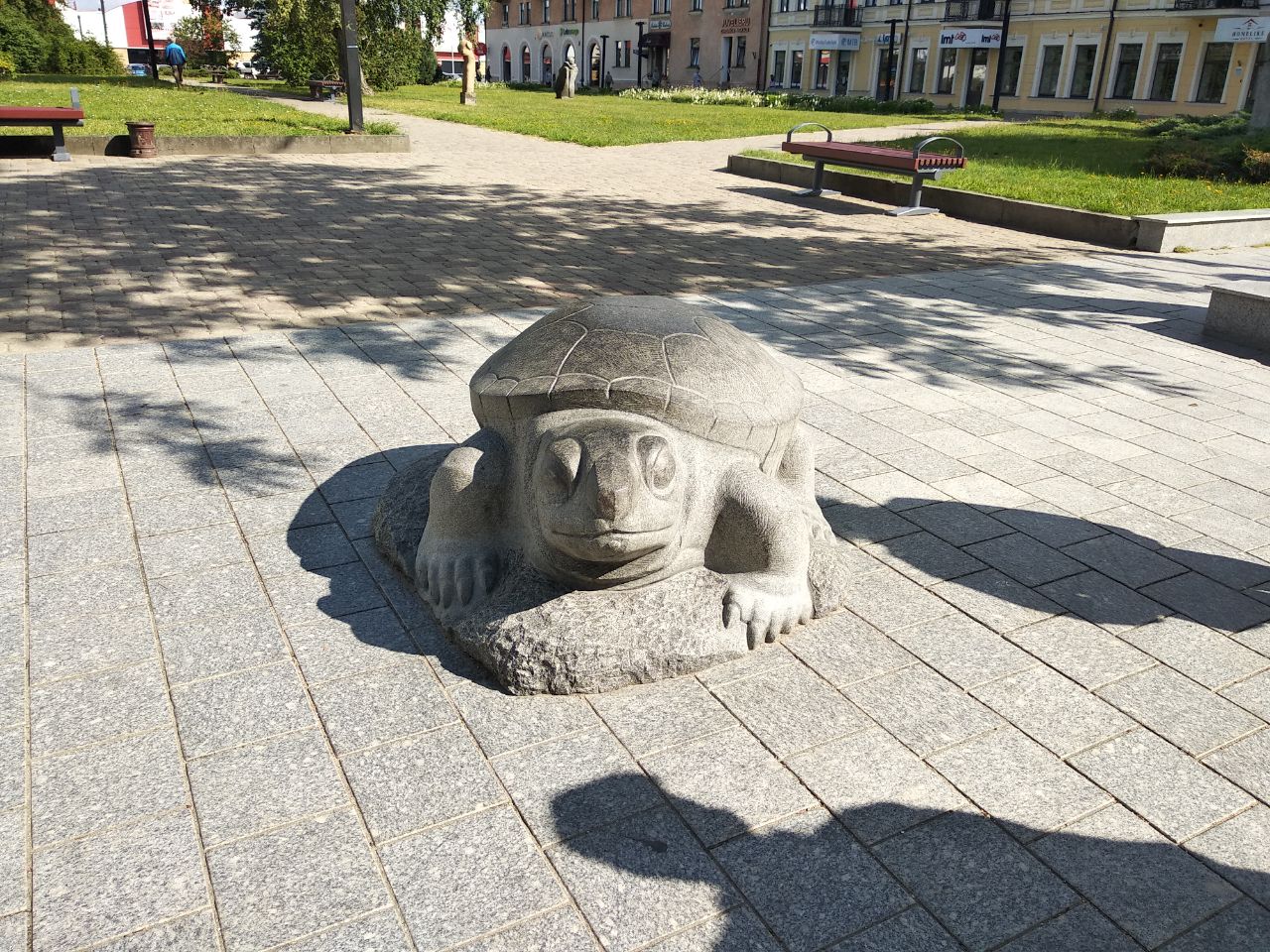
- Popularization of European pond turtles among local people.
- Stages of conservation approach.
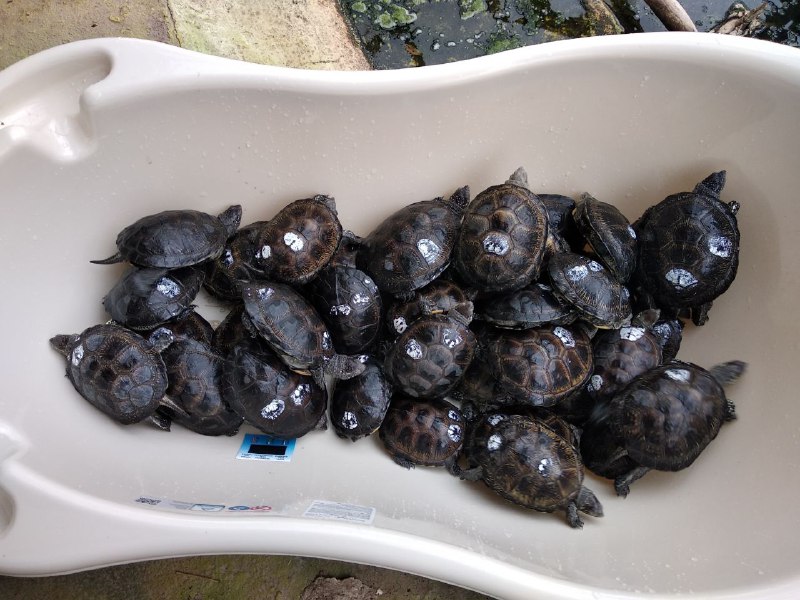
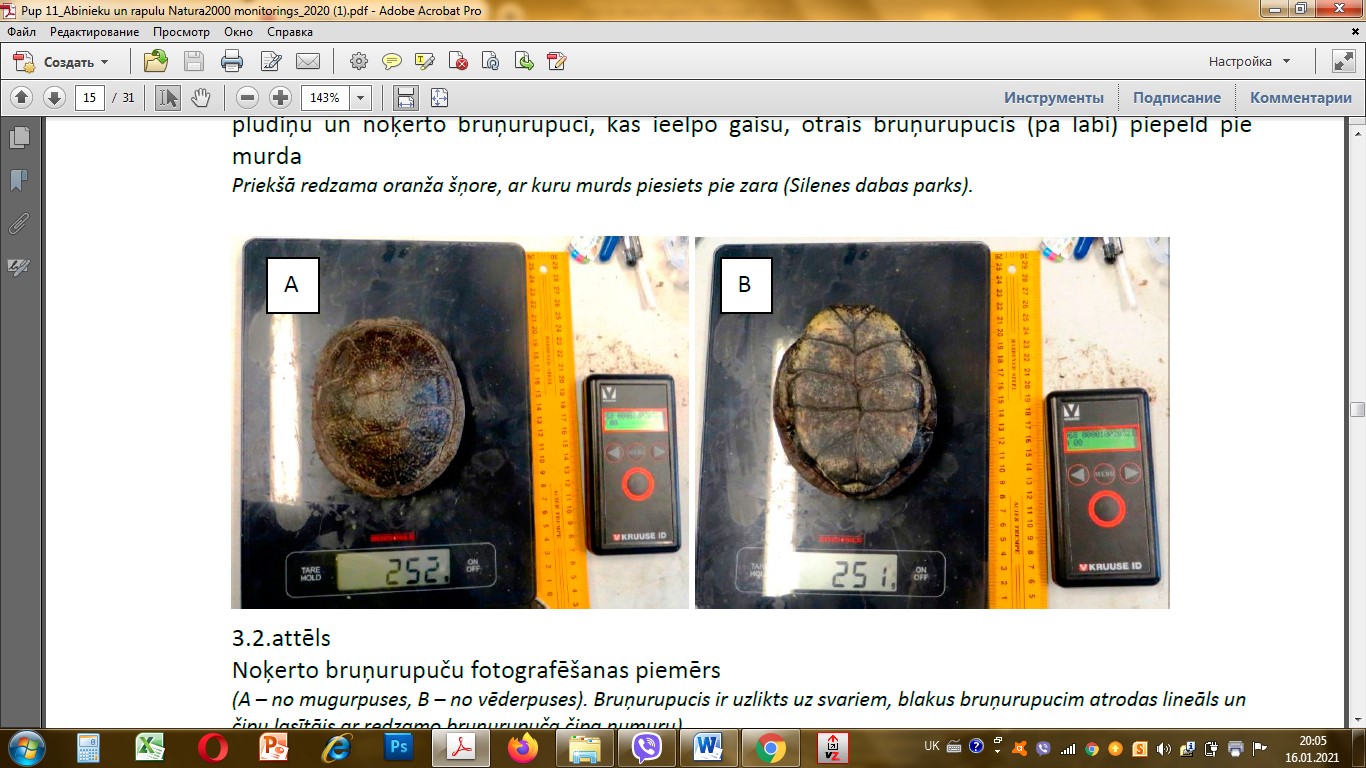
As a result of many years of development and adaptation of herpetoculture techniques, there are currently 6 stable populations in Latvia, where Emys orbicularis is registered annually. However it is still arguable as in the releasing places no wild hatchlings were found so far. There are still several ongoing projects aimed on repeating of previous successes in captive breeding of European pond turtles, their release into the wild within nature conservation territories and popularization of related activities among local people. Thanks to herpetoculture current situation with wild Emys orbicularis is much more stable and promising. Regular registration of released animals (marked with pit-tag) confirms that conditions for their survival are rather favorable and in these terms global climate change probably will have positive effects on expanding of turtles’ distribution. Consequently, mass and stable usage of herpetoculture as a source of health and adapted individuals for strengthening of remainings of wild populations resulted in stabilization and good predictions for Emys orbicularis – a species that requires special protection in Europe – in places, where it had almost disappear.
You can get acquainted with the results of the project using the following links:
https://www.researchgate.net/publication/269211969_The_European_Pond_Turtle_in_Latvia
Photo