 Shopping cart


PARSON’S CHAMELEON – FIVE REASONS AND FIVE GOALS
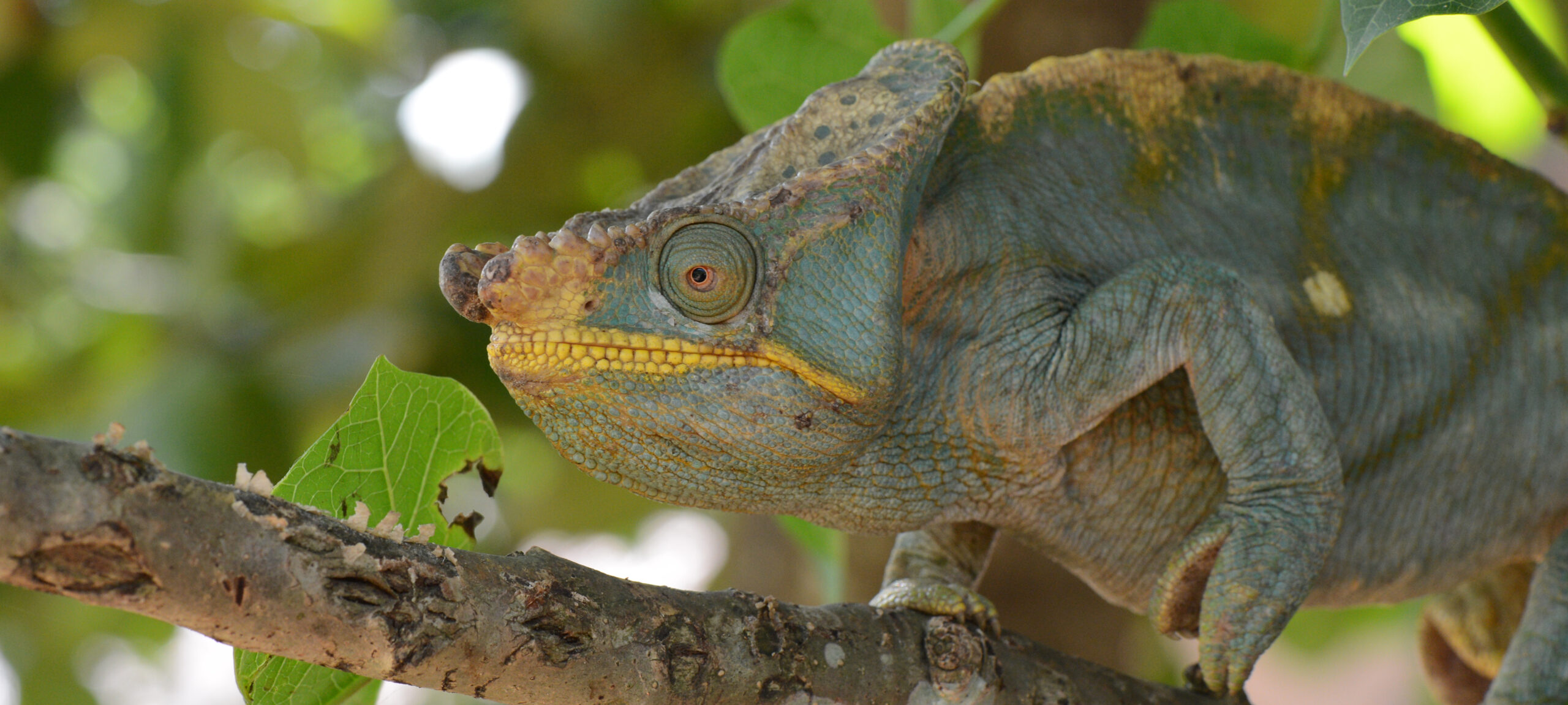
In the context of presentation and promotion of the Responsible Herpetoculture Project initiative, we are glad to share our “Parson’s Chameleon Conservation Project”.
Why this particular species?
- Endemic to Madagascar, Parson’s chameleon is one of the largest and most spectacular living chameleons. And that implies a high public attention to the issues of welfare of these charismatic animals.
- Most of the populations of this species are unique and exist outside protected areas. And this means that the degree of vulnerability of the chameleon increases.
- This species is characterized by a limited degree of flexibility. This means that it has less ability to adapt to rapidly changing habitat (as a result of agricultural transformation of landscapes and vegetation cover) and climate.
- C. parsonii is a species with moderate fertility and, consequently, with less potential to restore their numbers.
- Parson’s chameleons live in the neighbourhood of humans, in settlements and in the agricultural landscape. And this means that the problem of close coexistence of humans and animals in the realities of the degradation of natural ecosystems can be actualized within the framework of this project.
What are our goals?
1. Attracting maximum attention of the public, scientists, other interested parties to the survival of Parson’s chameleons.
2. Getting comprehensive information about biology of the species, the state of natural populations.
3. Developing algorithms of measures that would contribute to the survival of ALL (!) Natural (in situ) populations of Parson’s chameleons in the short and medium term, declaring the absolute value and evolutionary significance of each of them.
4. Creating and implementing social and educational programs focused on the local population living in the habitats of chameleons, which will affirm the undoubted importance of these magnificent animals for the mankind and biodiversity of the planet as a whole, as well as offer ways of “mutually beneficial” coexistence.
5. Developing technologies for creating artificial (ex situ) populations of Parson’s chameleon, as a source of a reserve gene pool for degrading natural populations, with the involvement of ex situ specialists (breeders) for this work within the framework of broad international cooperation.
What has already been done?
We offer you 3 parts of the film shot during our trips to Madagascar. Thank to enormous work of Sergei Prokopiev Nelli Kuzmenko both in the laboratory and in the field the idea of making a set of films showing a sad REALITY of Parson’s chameleons’ life has become true. We hope you will enjoy their work!
We also have some successful experience in breeding of the species in laboratory conditions and we are glad to share our experience with all interested parties.
A lot of information about Parson’s chameleons both in the wild and in captivity is highlighted in articles authored by the world-known experts, published in Issue #3 of Responsible Herpetoculture Journal dedicated specially to the fauna of Madagascar. Among those articles, the following ones should be emphasized:
1. Tkachev D. Madagascar: a perspective from responsible herpetoculture // Responsible Herpetoculture Journal. – 2022. – Issue 3. – P. 4-13.
2. Durbin C. A story from remarkable breeder of Parson’s chameleons // Responsible Herpetoculture Journal. – 2022. – Issue 3. – P. 15-24.
3. Necas P. The greatest paradox of Parson’s chameleon (Calumma parsonii) the king of the Malagasy jungle, the flagship species, unexplored and close to extinction // Responsible Herpetoculture Journal. – 2022. – Issue 3. – P. 26-33.
4. Prokopiev S. Parson’s chameleon: some notes and reflections from my field trips to Madagascar // Responsible Herpetoculture Journal. – 2022. – Issue 3. – P. 34-44.

Photo