 Shopping cart



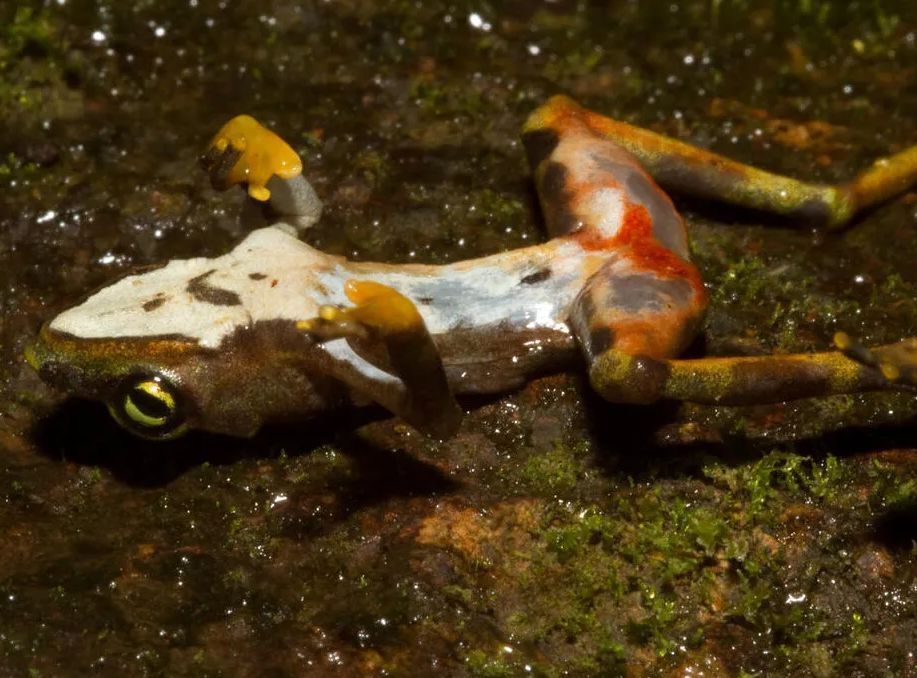
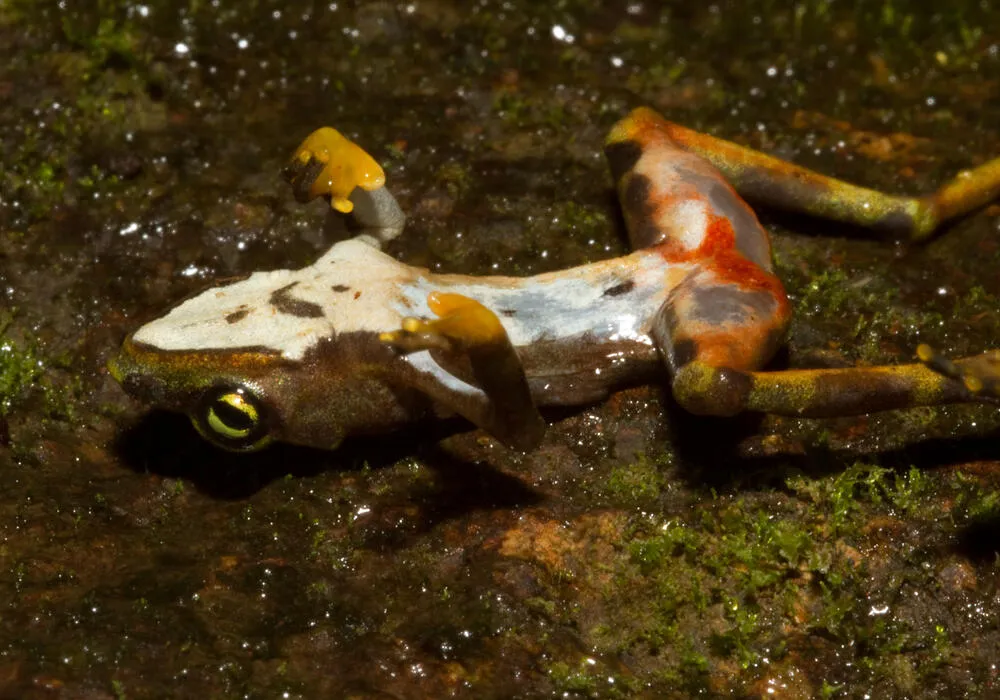
In a recently published study in the journal Diversity and Distributions, researchers from the Smithsonian’s National Zoo and Conservation Biology Institute (NZCBI) and the Smithsonian Tropical Research Institute (STRI) created a high-resolution map of Panama showing how an amphibian chytrid disease moved across Panama over a 13-year period. But the data also provides insight into where the disease is the most dangerous and shows regions that may be havens for reintroduced, captive-bred frogs.
“By compiling the hard-earned data from many amphibian researchers, we have been able to draw an unprecedented, detailed picture of the intensity of Bd in Panama through time and space,” said Carrie Lewis, doctoral student at George Mason University’s Department of Geography and Geoinformation Science, who led the study. “My hope is that we can use this detailed information to inform conservation actions in a more refined way.”
Read more info about this topic using the following link.
Read also:
The Highlands of Central America Identified Among the 50 Threatened Amphibian Landscapes Worldwide