 Shopping cart



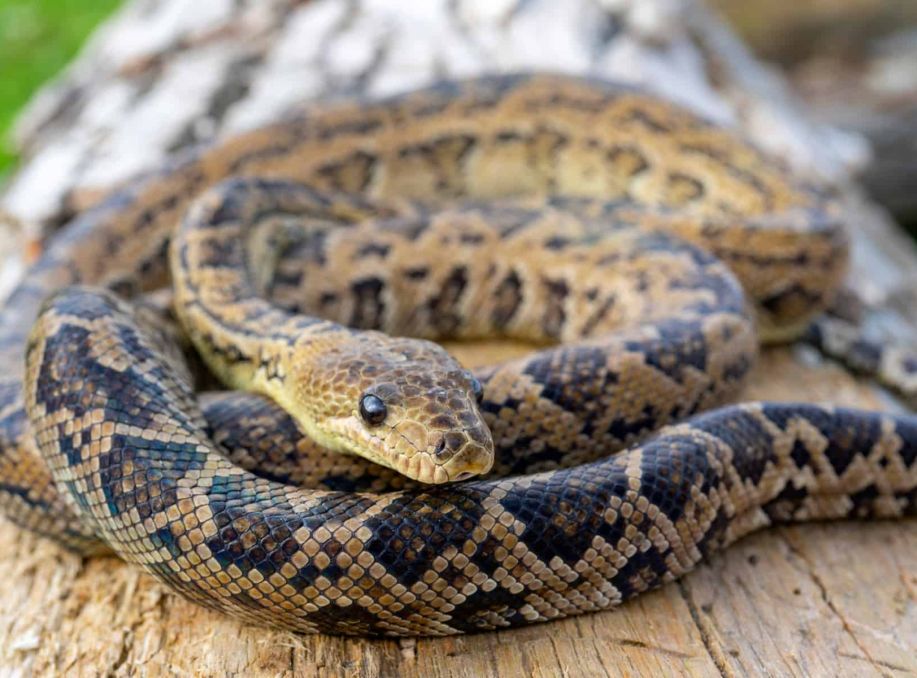
A groundbreaking study by biologist Vladimir Dinets has shifted the scientific perspective on reptile intelligence, revealing that the Cuban boa (Chilabothrus angulifer) is capable of sophisticated, cooperative hunting. While group hunting was long thought to be the exclusive domain of “high-brain” mammals like wolves or orcas, these heavy-bodied Caribbean constrictors have proven otherwise.
Observing boas at cave entrances in Cuba, Dinets documented how up to nine individuals would coordinate their positions to form a “live blockade.” Rather than simply gathering where prey was abundant, the snakes actively adjusted their placement relative to one another. By hanging from the ceiling and walls at strategic intervals, they created a staggered barrier that made it nearly impossible for exiting bats to fly past.
The results were clear: boas hunting in these “spatial alliances” were significantly more successful than those hunting alone. This behavior meets the two key criteria for cooperative hunting: predators adjusting their actions in relation to others and a resulting increase in mutual success.
For herpetoculturists and scientists alike, this discovery highlights the advanced spatial awareness and social responsiveness of snakes—traits often underestimated in reptiles. It serves as a powerful reminder that “responsible herpetoculture” involves not only meeting physical needs but also respecting and understanding the complex cognitive lives of the species we study and keep.
Read more info about this topic using the following link.
Read also:
A New Dwarf Boa Species Was Dicovered in Amazon Area
12 Million Years of Giants: The Resilient Evolution of the Anaconda
Meet the special RHF edition Non-Venomous Snakes. Husbandry & Care