 Shopping cart



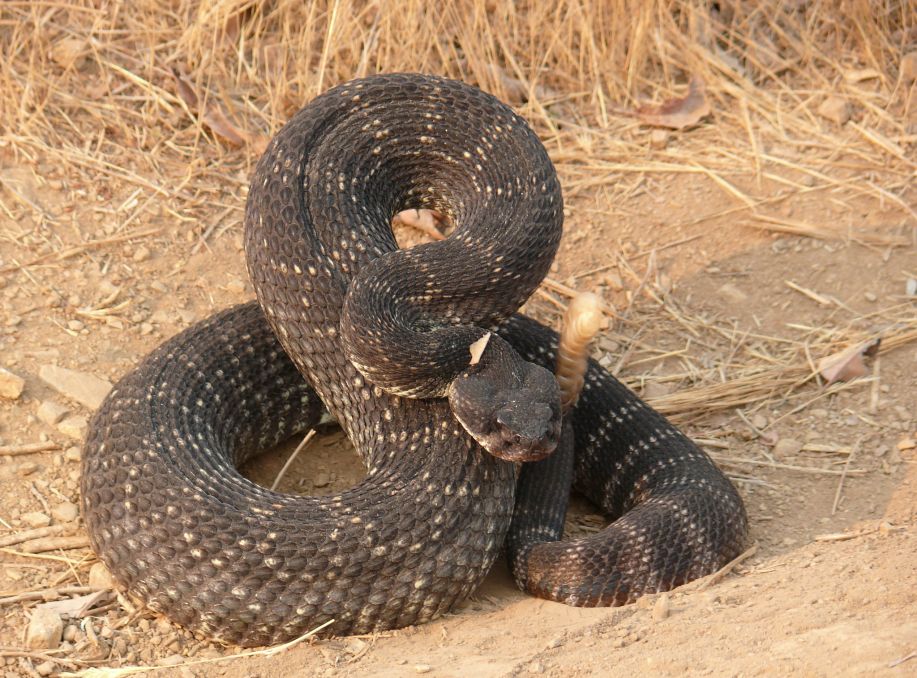
When we think of seed dispersal, images of birds, squirrels, or even the wind usually come to mind. However, a groundbreaking study published in Royal Society Open Science reveals an unexpected player in this ecological process: the snake. While snakes are obligate carnivores, they are increasingly being recognized as secondary seed dispersers, a role that has remained hidden in plain sight for decades.
The process, known as diplochory, occurs when a snake consumes a prey item—such as a rodent or a bird—that has recently eaten seeds. While the prey is digested, many seeds remain intact. Because snakes have relatively slow digestive systems and often move across significant distances, they eventually excrete these seeds in new locations, far from the parent plant. This “seed rescue” gives plants a unique opportunity to colonize new areas that might otherwise be inaccessible.
Ecological Impact and the “Seed Rescue”
The research suggests that the germination success rate of seeds passed through a snake can be surprisingly high. In some cases, the chemical environment of the snake’s digestive tract may even help break down tough seed coats, potentially aiding in germination. This adds a complex layer to our understanding of food webs; the snake isn’t just a predator that controls pest populations—it is an architect of the landscape.
In terms of responsible herpetoculture, these findings remind us that no species exists in a vacuum. Every reptile we study or care for is part of a delicate, interconnected web. Recognizing the role of snakes in forest regeneration changes the narrative from snakes being “scary predators” to being essential components of healthy, growing ecosystems.
As we move forward, understanding these cryptic ecological functions is vital. It underscores the importance of protecting snake populations not just for their own sake, but for the health of the entire plant communities they inhabit. When we lose a snake, we might also be losing a silent, slithering gardener.
Read also:
A Ghost from the Past: New Poison Dart Frog Species Identified After 60 Years in Museum Archives
Sleeping Strategies: New Insights into the Roosting Ecology of the Jewelled Chameleon
12 Million Years of Giants: The Resilient Evolution of the Anaconda
From Scales to Science: How Snake Physiology Could Cure Gout
Meet The Responsible Herpetoculture Journal #26