 Shopping cart



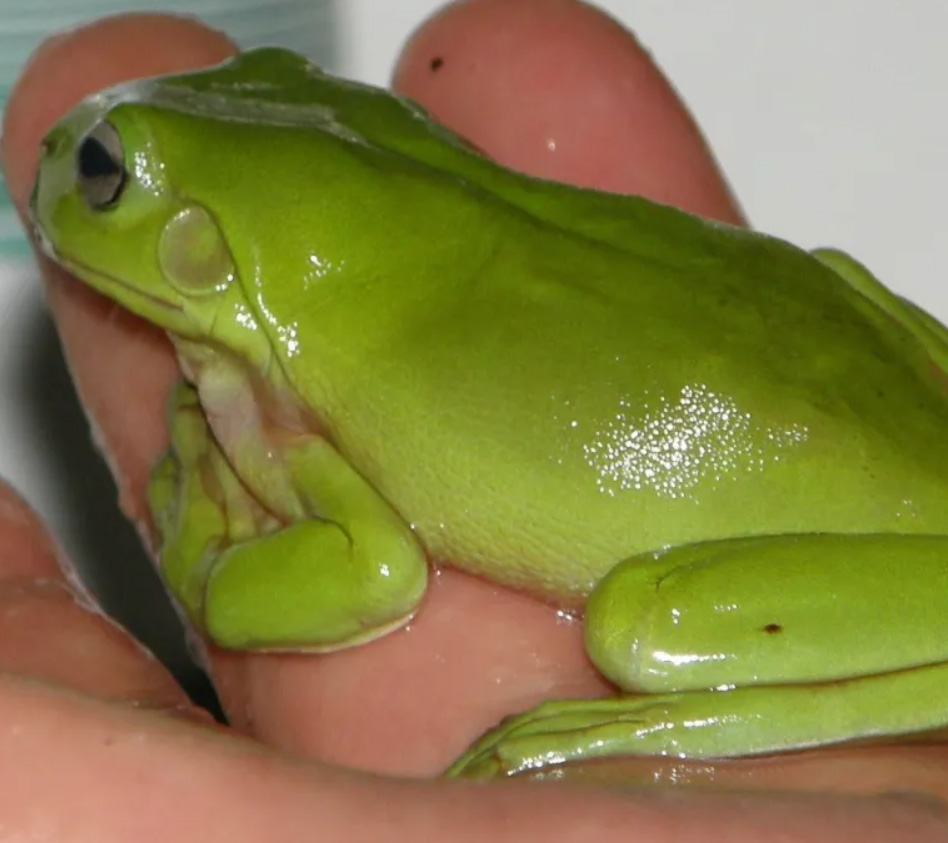
There are 800 species of tree frogs and Texas is home to 14 of them.
- Cope’s Gray tree frog—native to the USA. Lives in trees close to fishless ponds where they mate. Grows to 2” in length. About the only difference between them and the gray tree frog is the mating call.
- Squirrel tree frog—Native to USA. Can live in woodland areas or urban areas. They don’t get larger than 1.5”. They are usually green. Similar to green tree frog but with a different mating call.
- Spring Peeper – They lay their eggs in water. Their call sounds like young chickens. Females are larger than males and are about 1.5” long. They are tan or brown with a black “X” on their back. They’re most active in the spring. Mating call is a “peep” sound.
- Northern Cricket frog—May migrate north to hibernate. They live near slow or still waters. Great swimmers and can jump up to 3’. Less than 1.5” long. Variations of green, gray and brown in color. Mating call sounds like a cricket.
- Blanchard’s Cricket frog—usually don’t live over 1 year. Endangered species because of invasive predators. Usually found in wetlands or near crop agriculture. Never larger than 0.6” long. Brown and tan but can be olive green. Males have a mating call that sounds like a metallic clicking, similar to a cricket.
- Green tree frog—a Texas native. Found in wet areas. Can grow to 2.3” in length. Usually green with smooth, oily skin. Males have wrinkled throats. Mating call is very nasal-sounding.
- Strecker’s Chorus frog—Lives in wet areas. They burrow in the woods using their front feet. Up to 1.8” long. Green or gray-green. They have a clear dark stripe through the eye and a dark spot below the eye. Mating call is similar to a bell and is made by the male.
- Cajun Chorus frog—They spend most of their time on the ground. They lay eggs in still bodies of water. Males are about 1.25” long, females a little smaller. They are dark brown with 3 black stripes down the back. Mating call is similar to a trill.
- Upland Chorus Frog—They prefer moist areas but can adapt to dryer locations near small bodies of water. No larger than 1.5” long. Brown or brown and gray. Skin almost always feels moist. Mating call sounds like a finger running along a comb.
Read more info about this topic using the following link
Read also Rare blue skin mutation in Kimberley magnificent tree frog